


Enterprise RAG Development
Source authority, lineage, permissions, ingestion, retrieval, citations, freshness, and operating response form one path from approved content to each answer. Break that path anywhere and Enterprise RAG stops being inspectable.
A useful answer is only one part of the build. We connect approved sources to retrieval, response, citations, access controls, and operations so your team can investigate the path when the result is wrong, stale, or unsupported. The operating owner takes over a traceable source-to-answer path, groundedness and citation findings, freshness controls, and a response plan for stale or unauthorized sources.

Some of the 500+ brands we've worked with
Selected brands we’ve worked with across industries.







 GeneraliGlobalCase Study









 OdeabankGlobalCase Study








































 Albaraka TürkGlobalCase Study




























On this page
The run order, and who signs each step off
How we work
We build one bounded knowledge path and keep its source, ingestion, retrieval, response, citation, access, and operating decisions visible throughout the work.
Map sources and architecture
The first design ties the priority use case to its approved sources, owners, identity rules, freshness expectations, and lineage. It also records who can add or remove a source later. Your knowledge owner confirms source authority and intended use.

Build ingestion and retrieval
We build the agreed source-to-answer path across ingestion, chunking, indexing, retrieval, reranking, context assembly, response, citations, and access controls. Each layer keeps its assumptions and exceptions beside the implementation. The retrieval and citation design choices need your engineering lead's sign-off.

Evaluate each layer
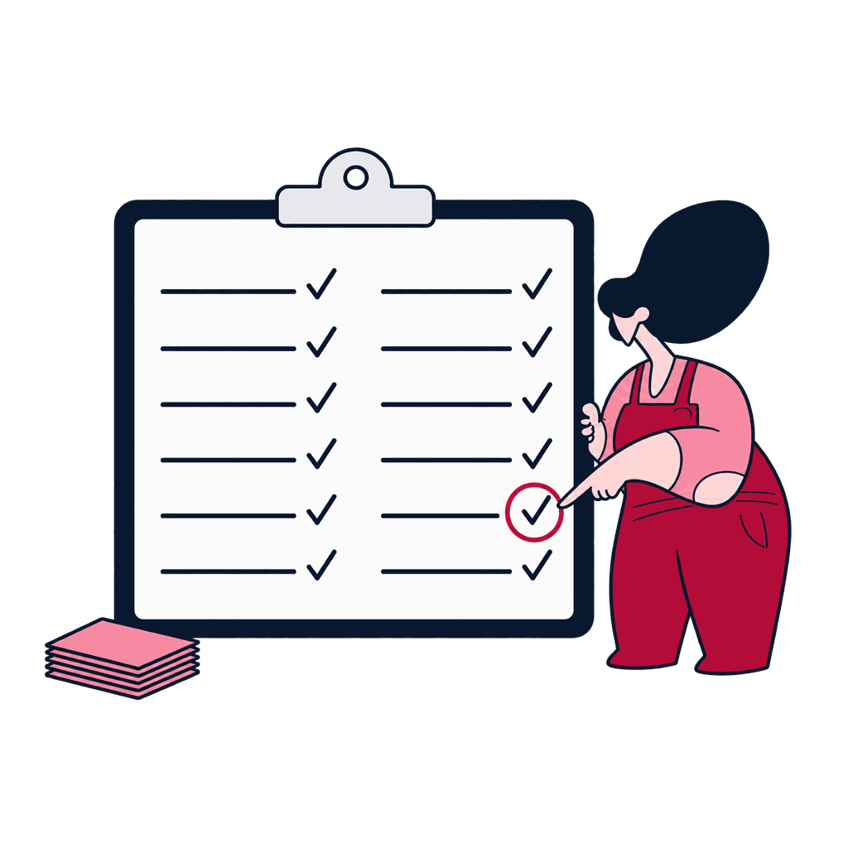
Representative and adverse queries are reviewed at component level and end to end. We inspect whether generation masks weak retrieval, whether source permissions survive the path, and whether old material can still appear current. The decision owner accepts or rejects each threshold failure flagged in testing.
Set operating ownership
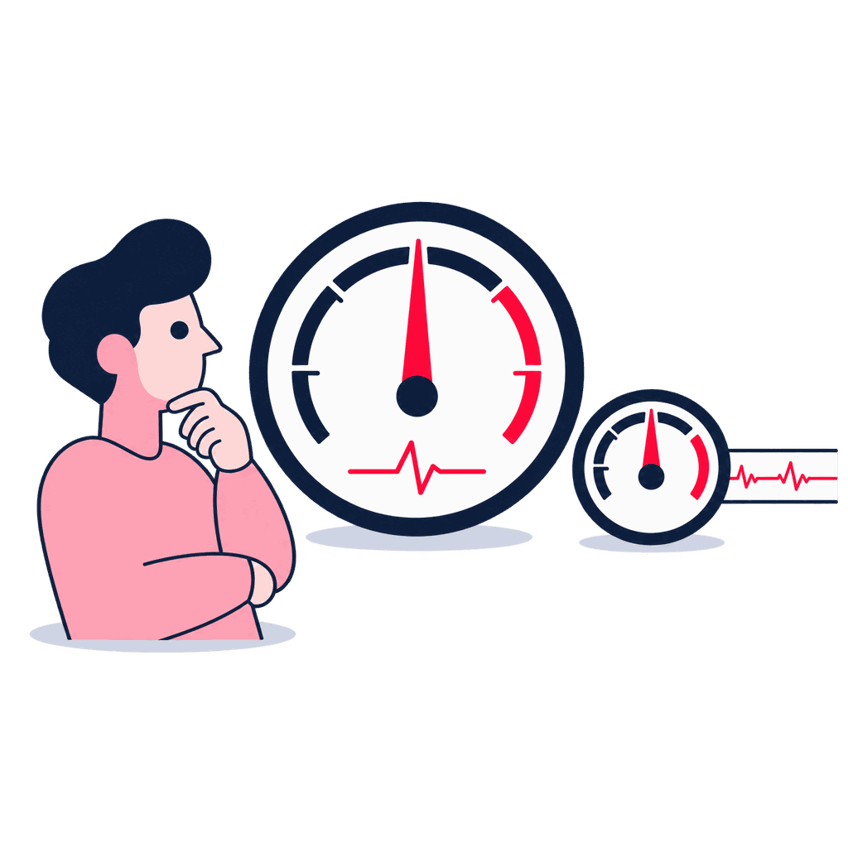
The operating model assigns monitoring and response for source changes, access events, stale content, and quality findings. Your owner accepts the release conditions and sets the next review point. The operating owner accepts the monitoring rules and review cadence.


Named artifacts you keep
What you get
The handoff combines the working RAG path with the test evidence and operating instructions needed to investigate and respond after release.
Architecture document
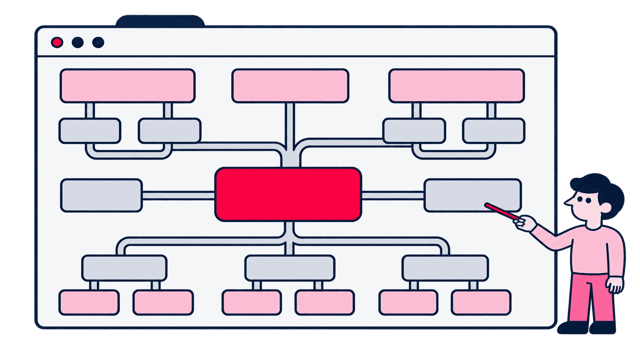
Authoritative-source and lineage map
The architecture ties authoritative sources to owners, identity rules, ingestion choices, indexing, and lineage.
Dataset
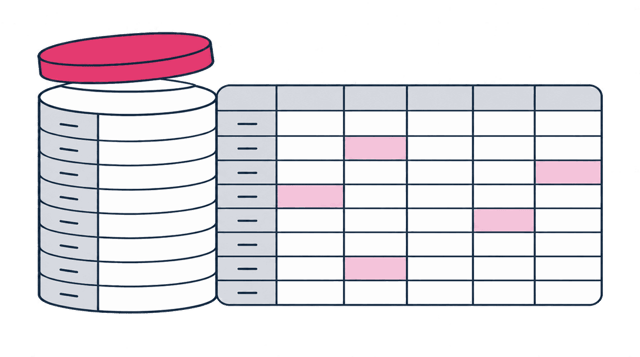
Approved-content ingestion and indexing file
The traceable path that prepares, chunks, indexes, and updates approved content for retrieval and reranking.
Test evidence
Golden-query groundedness and citation findings
Representative and adverse queries with results for retrieval relevance and recall, claim support, citation validity, access, and freshness.
Playbook
Source-access and freshness response plan
Ownership, monitoring, escalation, stop or rollback, correction, retest, and review steps for source, access, freshness, and quality incidents.


Scope and honest limits
When to bring us in
Use this engagement when the first RAG use case is defined and the application path now needs to be built, evaluated, and handed to an operating team.
A good fit when
- The first knowledge use case is named, but authoritative sources and their owners are not connected to one release boundary.
- Your representative queries and quality thresholds exist, yet freshness needs and application contracts have not been tested against them.
- Source permissions are approved at ingestion, but nobody can show that lineage and access survive indexing, retrieval, and citation.
- Your authoritative sources are known, yet ingestion, chunking, indexing, and lineage choices do not form one traceable source-to-answer design.
- Retrieval and response components work separately, while reranking, citations, and access controls still break the complete knowledge path.
- Your end-to-end answers look useful, but component tests cannot yet expose weak retrieval, stale sources, or lost permissions by critical slice.
- Release conditions are being discussed, yet no operating owner holds the source changes, access events, freshness findings, and next review.

Better handled as other work when
- You need the approved source set or retrieval path declared legally compliant. We hold the lineage, permission, and citation evidence, and your counsel rules on it.
- You require a blanket promise that every answer stays accurate and grounded. The reviewed query set cannot make a probabilistic model infallible.
- You need new source acquisition, production operation, or access remediation beyond the agreed knowledge path. Those tasks need separate scopes.
If one of these is closer to your situation, start here instead: View the parent service
Engineers who ship production AI
This is the part of Zeo that writes and ships code. Our senior engineers build agents, chatbots, and RAG pipelines, along with the automation and data work around them, and they keep operating those systems once they're live. We've worked with more than 500 brands since 2011.






Tools we use
Tools behind this work
 LlamaIndex
the pipeline connecting approved sources through retrieval to a cited response
 Haystack
the component-based pipeline structure a team can read and modify after handoff
 Qdrant
the retrieval engine the response and citation quality get built on top of
 Ragas
Ragasthe groundedness score this page's own named evaluation step is built around
 Langfuse
the trace a team investigates when a result is wrong, stale, or unsupported
Adjacent work
Where this leads

Build
Access-Controlled RAG
Core vector indexing and semantic retrieval are enhanced with document-level access control lists and tenant isolation boundaries.
Assurance
RAG Evaluation & Groundedness Testing
Retrieval and generation pipelines must be systematically benchmarked against gold-standard question sets to measure hallucination and context recall.
Advisory
Enterprise Knowledge System Strategy & Architecture
RAG technical implementations execute the broader knowledge architecture governing source system ingestion, updates, and taxonomy.


Next step
Build the first RAG use case as an inspectable system

Before you decide