


Zeo delivery method
User Experience & Engagement Signals
The visitor's task written down before the metric can redefine itself, friction observed rather than guessed, and every change read against the protections you agreed to.
More clicks aren't automatically better, and a lower bounce rate doesn't prove a page is actually useful, the metric alone can't tell you whether a visitor stayed because the page helped or because they couldn't find the answer. We start from the job an organic visitor actually came to do, diagnose the specific friction getting in the way, and test the smallest change that could fix it without making accessibility, consent, or conversion worse. We take out the friction genuine visitors can feel, and refuse to call empty engagement a win.

Some of the 500+ brands we've worked with
Selected brands we’ve worked with across industries.
























 MeteksanGlobalCase Study





 VisperaGlobalCase Study














On this page
Stages and gates
How we do it
What counts as progress on the page gets written down first, so the metric can't quietly redefine itself later. We diagnose real friction, test the smallest change that might fix it, and read the result against the protections we agreed to.
Define what progress means
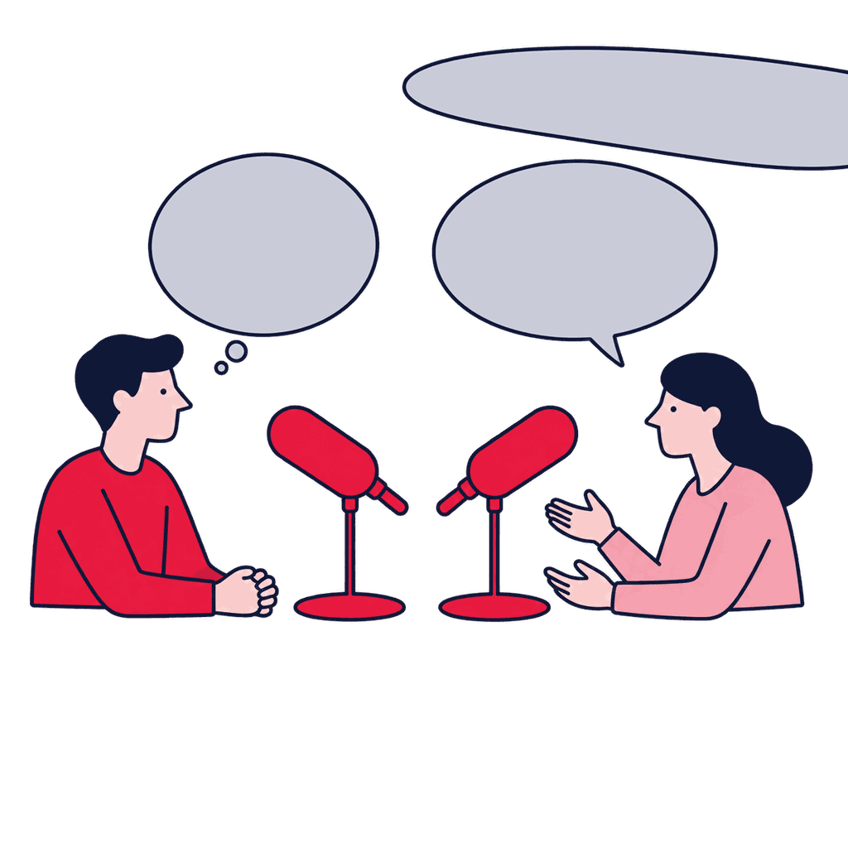
We name the arriving audience, the answer they expect, the useful next action, and the tempting events that do not count as success. The product owner and Zeo agree which of those events counts as progress on the visitor's task.
One shared definition of task completion before anyone starts optimizing the metric.
Diagnose the actual friction
We combine segmented analytics, field and lab performance, usability evidence, support themes, and the rendered page to find mechanisms we can test. A researcher decides which cluster reflects a genuine mechanism worth testing versus normal variation.
A short list of friction hypotheses, each tied to a genuine segment and observation.

Test the smallest useful change
We choose one content, interaction, layout, or performance change, define success and rollback conditions, and release it to a controlled cohort. The experiment owner sets the success and rollback thresholds before release and judges whether an early signal is real.
A versioned treatment that can be measured and reversed without turning the whole journey upside down.

Read outcomes with the guardrails
We compare matched cohorts for qualified task completion, accessibility, field experience, consent, and conversion, keeping segment differences and concurrent changes visible. The product owner decides whether the result expands, gets revised, or stops, even when the headline metric looks good.
An expand, revise, or stop decision that doesn't hide a regression behind a higher click rate.



AI clusters the behavior and assembles the comparison; people define the task and call the result.
AI summarizes which events visitors already trigger on the page as candidates for the task discussion, clusters session and support feedback by device, template, and segment to surface repeated friction points, flags when the treatment cohort's early metrics diverge enough from the control to warrant an early look, and assembles the matched-cohort comparison across task completion and every protection signal into one view. It defines no success. We do not use obstructive overlays, forced interaction, misleading urgency, or other dark patterns to inflate events, we will not call higher time on page, clicks, or scroll depth a success without a genuine user task behind them, we do not collect personal behavior beyond the approved purpose and consent boundary, and we never remove disclosures, accessibility support, or useful answers to improve a conversion number.
Deliverables and acceptance
What you get
The experience question stays anchored to one genuine visitor task, start to finish.
Dashboard
Journey baseline
Evaluation sheet
Friction evidence map

Playbook
Protected change brief
Prioritized backlog
Experience decision record


We call it done when: The journey baseline, friction evidence map, change brief, and decision record are done when the audience, landing promise, qualified task event, exclusions, and protection signals sit in one view, every hypothesis links an observed behavior to its segment, plausible mechanism, confidence, and contradiction, the brief states the treatment, telemetry, accessibility checks, performance budget, consent boundary, and rollback, and the record compares the same cohort across outcome and protections before assigning expand, revise, or stop to an owner.
Fit and readiness
When you need this
A visitor can spend a long time on a page because it's fascinating, or because they can't find the answer. The metric alone can't tell you which.
A good fit when
- You have engagement data but no shared definition of what useful progress on the page looks like.
- Organic visitors hesitate, fail, or ask for help, and you need to connect that behavior to something concrete on the page.
- You want to improve the journey without trading away accessibility, field performance, consent, or a working conversion path.

Better handled as other work when
- You want to inflate time on page, clicks, or scroll depth and treat the movement as proof of better SEO.
- Nobody can define the user's task or instrument a consent-safe outcome worth measuring.
If one of these is closer to your situation, start here instead: On-Page SEO
We call it done when: The user task is written down, the friction was observed and not guessed at, the change can be undone, and task completion improves without breaking a protection signal you agreed to.
The specialists behind this SEO work
Zeo's SEO work goes back to 2006, when we started what we call the first SEO blog in the MENA region. The consultants shown here are doing that work today, matched to what this page covers.

Yağmur Bayram
Sr. SEO Analyst

Metehan Urhan
New Business & Partnership Manager

Ezgi Gülsen Yaylı
SEO Manager

Zafer Yıldız
Web Analytics Manager

Hande Parmaksız
SEO Manager

Sinem Bakır Yavaş
Senior SEO Executive

Sena Önder
Senior SEO Executive

Bensu Tınastepe
Senior SEO Analyst

Gülşah Şahin Özkan
Senior SEO Analyst

Ali Özgün Öz
SEO Executive

Ruhan Tiryaki
Senior SEO Analyst

Emir Kağan Kahveci
SEO Analyst

Mehmet Aktuğ
Co-Founder & COO

Deniz İmre Temiztürk
Content Specialist

Ataberk Yüzat
SEO Executive
Content we've produced on this topic
Tools we use
Tools behind this work
 PageSpeed Insights
field Core Web Vitals and lab diagnostics by URL
 WebPageTest
filmstrips, waterfalls, and interaction timing under controlled conditions
 GTmetrix
scheduled page-performance history and release regression comparison
 Ryte
Rytewebsite quality monitoring across performance and page defects
 Google Analytics
organic journey segments and qualified task completion measurement
 Google Search Console
query and landing-page segments behind the visitor task
Where this fits
Related services

On-Page SEO
Content & Keyword Optimization
Engaging, scannable content presentation keeps visitors on the page, validating organic relevance signals for search engine algorithms.

On-Page SEO
HTML & Structured Markup
Semantic layout elements and accessible ARIA attributes improve interaction clarity, reducing user friction and bounce rates.

On-Page SEO
Internal Linking & Page Flow
Prominent internal recommendation links and related reading blocks encourage deeper session depth and multi-page user journeys.


Next step
Find the friction behind the metric

Before we start