


Controlled system connections · AI Integration & Platform Engineering
Enterprise AI Integration
An AI integration is complete only when source-system authority, transaction state, reconciliation, recovery, and named support ownership survive every connection in the business path.
We connect an AI capability to enterprise identities, data, events, workflows, and transactions without opening a side channel around existing authority. Reconciliation, recovery, failure isolation, and audit evidence sit inside the business path. A connected-system map, an interface and audit contract file, a reconciliation record, and authorization and recovery findings let your support teams trace a transaction and recover it after handoff.

Some of the 500+ brands we've worked with
Selected brands we’ve worked with across industries.







 GeneraliGlobalCase Study









 OdeabankGlobalCase Study








































 Albaraka TürkGlobalCase Study




























On this page
The run order, and who signs each step off
How we work
We follow the business event from its first identity check to its final transaction state. Authority, ownership, and recovery have to remain intact at every handoff.
Trace the transaction and its owners
We follow the process across systems, identities, data classes, events, and transaction states. Each consequential step is tied to the team that owns it and the service level they support. Your system owners confirm which team owns each consequential step.

Preserve source-system authority
Before the AI capability connects, we define interface and event contracts, permission checks, orchestration, audit fields, reconciliation, and failure isolation. The connected path must enforce the authority of its source systems. Your system owner approves the permission model before interfaces connect.
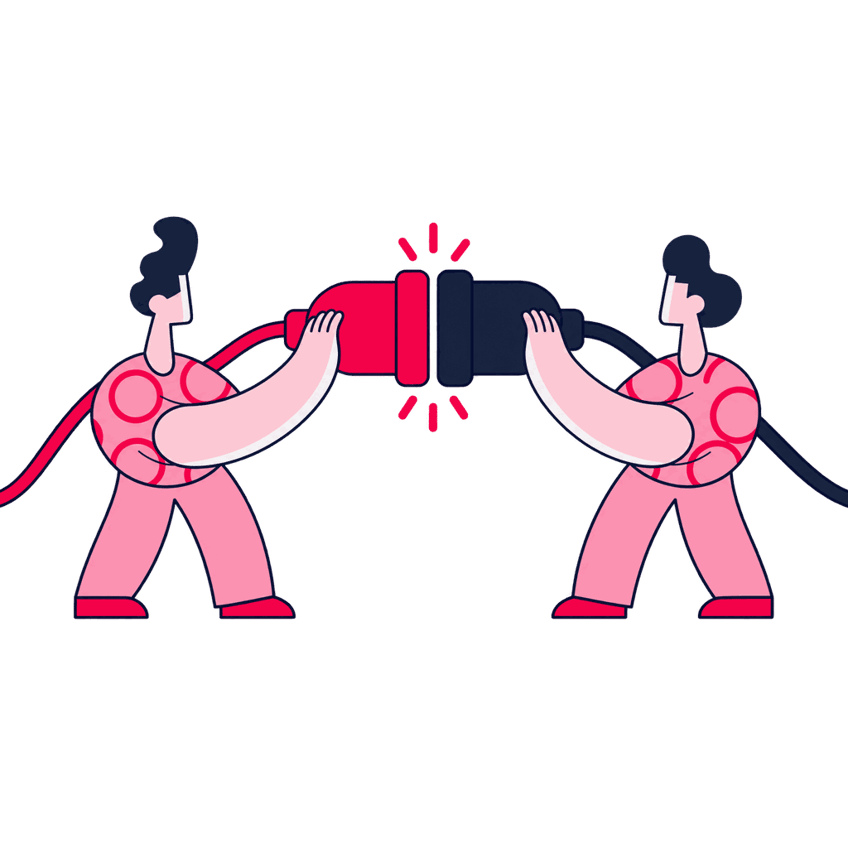
Leave failed business states visible
End-to-end, unauthorized-path, partial-failure, retry, reconciliation, and recovery cases run through the workflow. The test keeps going after the model responds and checks every downstream state. Your system owner reviews every reconciliation gap found during testing.

Release in stages and assign support
We open the path gradually, inspect unreconciled transactions and recovery evidence, and transfer each escalation to the team that owns the affected system or business state. Your support owner accepts escalation responsibility before go-live.



Named artifacts you keep
What you get
The handoff combines the connected architecture, its authority and transaction contracts, and evidence from the complete business path.
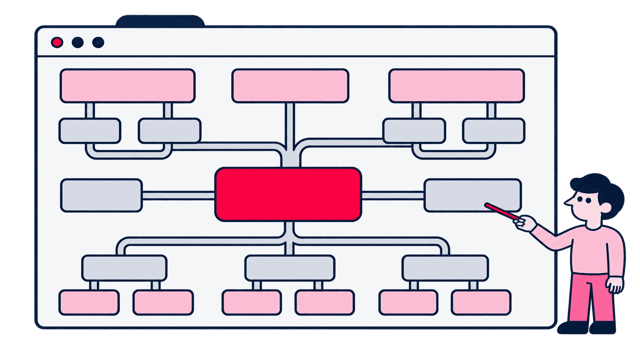
Architecture document
Connected-system identity and transaction map
The connected systems, identities, data classes, events, transaction states, owners, and failure boundaries.

Policy
Interface, event, retry, and audit contract file
Request, response, schema, event, retry, error, and audit expectations for every connection in the agreed path.
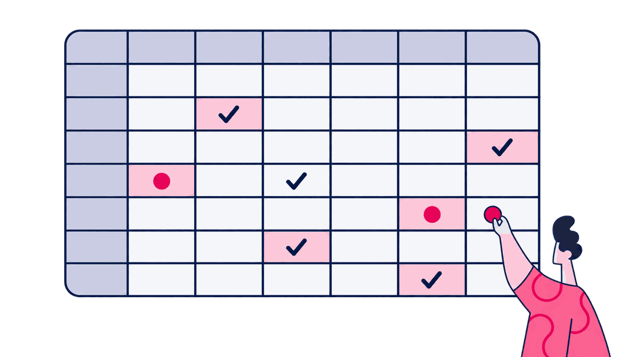
Matrix
Permission, transaction, and reconciliation map
Identities, roles, approvals, business side effects, transaction states, and the owners responsible for reconciliation.
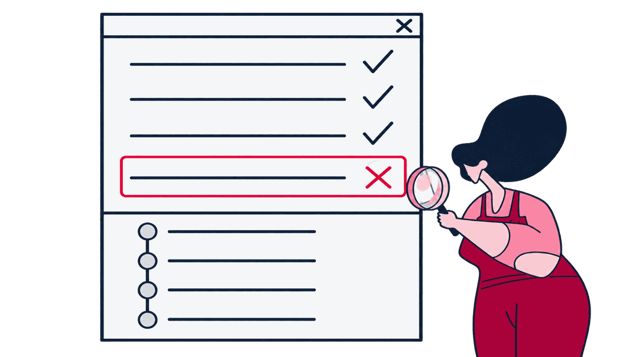
Test evidence
Authorization, recovery, and support handoff findings
Authorization, contract, reliability, recovery, and staged-release results with the support and escalation instructions attached.


Scope and honest limits
When to bring us in
Bring us in when an AI capability must cross real identity, system, event, or transaction boundaries and the enterprise controls already in place must still govern every side effect.
A good fit when
- The business process crosses systems with different identity models, so a failed transaction can lose its owner at the boundary.
- Interface or event contracts disagree across teams, but nobody can say which request, retry, or audit behavior governs the connected path.
- Authorization and recovery expectations exist, yet transaction and support owners have not accepted the same service-level path.
- Systems, identities, data classes, and transaction states are known separately, but no map follows the business event across their boundaries.
- Your interfaces and permissions connect, while orchestration, reconciliation, and failure isolation still leave gaps between source-system controls.
- A model response passes, but end-to-end tests still expose unauthorized routes, partial failure, or downstream states that cannot recover.
- The audit trail records a completed step, yet it cannot show which identity initiated, approved, and finished each consequential action.

Better handled as other work when
- You want an AI route that bypasses a source-system authorization or approval control, but the connected path must preserve that authority.
- Calling a transaction complete because the model responded while a downstream system remains inconsistent.
- You need source-system ownership replaced, new data acquired, or every connected service operated, but those responsibilities require separate scope.
If one of these is closer to your situation, start here instead: View the application development service
Engineers who ship production AI
This is the part of Zeo that writes and ships code. Our senior engineers build agents, chatbots, and RAG pipelines, along with the automation and data work around them, and they keep operating those systems once they're live. We've worked with more than 500 brands since 2011.






Tools we use
Tools behind this work
 Amazon Web Services
the identity and event infrastructure the AI connection inherits, not bypasses
 LiteLLM
one consistent model interface across the connected workflows and transactions
 Portkey
the gateway layer producing the audit trail this integration is required to keep
 Datadog
watches for failures inside the integrated path before they reach the business transaction
 Langfuse
the trace a reconciliation or recovery investigation reads after a fault
 Guardrails AI
checks that AI output respects the authority of the identity that invoked it
Adjacent work
Where this leads
Build
LLM API Integration
Comprehensive enterprise architecture integration coordinates individual model API connections, retry mechanisms, and rate-limiting gateways.

Build
AI Proof of Concept Development
Enterprise integration patterns establish the authentication and data flow standards tested during early experimental proofs.

Build
AI Pilot & MVP Development
Robust enterprise middleware and schema adapters enable multi-system data synchronization during functional pilot deployments.


Next step
Trace the transaction before connecting AI

Before you decide