


AI Data & Annotation · Advisory architecture work
AI Data Strategy & Architecture
Current-state evidence must stay separate from assumptions, and every target option must face the same domains, ownership rules, dependencies, constraints, representative examples, and failure cases before an architecture deserves acceptance.
Several teams can each be right about part of the data future and still leave the company without one decision. We map how AI data is owned, accessed, checked, traced, and retired today, then compare target-state options and record the architecture your authority is prepared to accept. Accepted target-state conditions reach the architecture authority through a domain map, evidence and assumption register, failure-case findings, and a note recording the gates before implementation.

Some of the 500+ brands we've worked with
Selected brands we’ve worked with across industries.














 MeteksanGlobalCase Study




 VisperaGlobalCase Study























On this page
The run order, and who signs each step off
How we work
The architecture takes shape through a series of decisions. At each one, we separate what the current state proves from what the team still has to assume.
Frame the data decision
We define the target-state question, the AI data domains and products it covers, the constraints that matter, and the person who can accept the recommendation. Your architecture owner confirms the decision scope and acceptance authority.

Assemble current evidence
We bring together ownership, access, quality, lineage, lifecycle, representative examples, baseline evidence, and known dependencies without smoothing over contradictions. Your data owner confirms which current-state facts are accurate.

Design and challenge options
We compare target-architecture options against the evidence, dependencies, constraints, and failure cases, then test the recommendation with representative examples. Your architecture authority picks the option worth recommending.

Record the accepted path
We document the accepted or conditioned recommendation, unresolved exceptions, responsible owners, handoff, and the gates that must be cleared next. The architecture authority accepts the recommendation and its recorded conditions.



Named artifacts you keep
What you get
The recommendation arrives with enough history for another architect to retrace the choice, question a condition, or reopen an unresolved dependency.
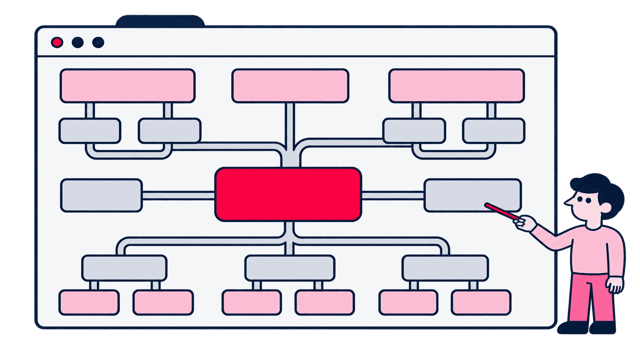
Architecture document
AI data domains and target-architecture map
Sets out the recommended relationship among the AI data domains, products, ownership, access, quality, lineage, lifecycle, and target architecture in scope.
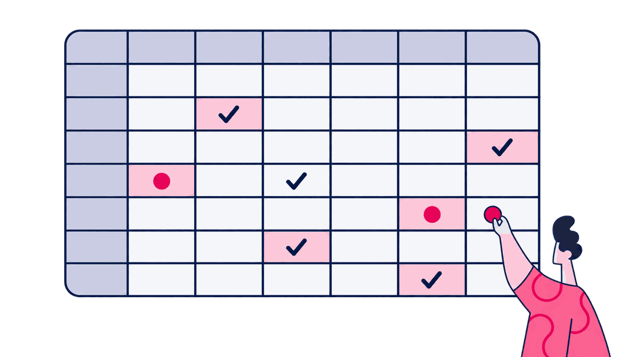
Matrix
Current-state data evidence and assumption register
Keeps source material, baseline evidence, constraints, dependencies, and unanswered questions together as the recommendation develops.
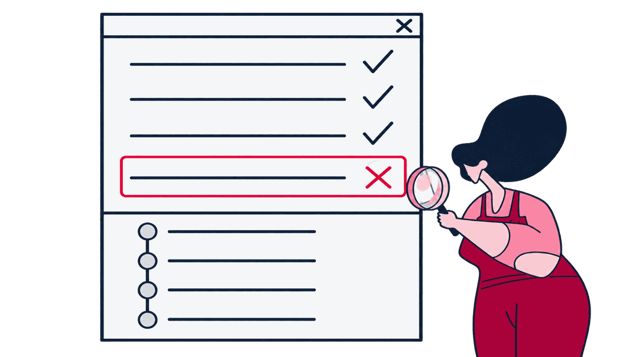
Test evidence
Target-option failure-case findings
Shows how the options and recommendation behaved against representative examples, dependencies, failure cases, and recorded exceptions.
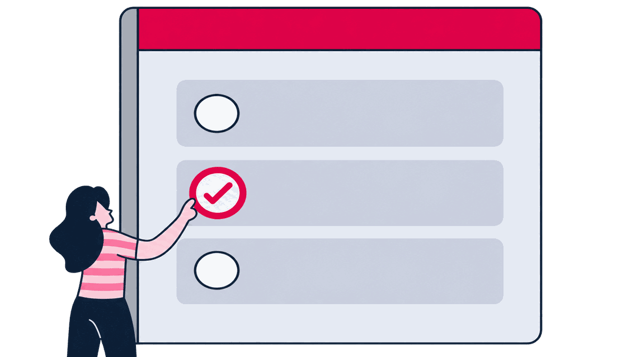
Decision record
Accepted target state and condition note
Captures the chosen target state, accepted conditions, open exceptions, responsible owners, handoff, and the next gates.


Scope and honest limits
When to bring us in
This work is useful when several teams have credible but incompatible views of the future data architecture and the decision needs a shared evidence base.
A good fit when
- Your AI data domains assign ownership, access, quality, lineage, and lifecycle differently, so teams cannot agree which current state is real.
- Representative examples and baseline evidence exist, but they sit with different owners and contradict the architecture story being presented.
- Several target-state options look plausible, but their dependencies and failure cases have not been compared together.
- The current AI data domains and products have owners, yet access, quality, lineage, and lifecycle rules change from one team to another.
- Baseline evidence and representative examples are available, but assumptions and dependencies have been mixed into the same architecture view.
- Your target-architecture options look complete on slides, until representative failure cases expose different constraints and open conditions.
- An option has been preferred, but the acceptance authority, responsible owners, handoff, and next decision gates remain unnamed.

Better handled as other work when
- You need the target architecture implemented or migrated during this engagement. This work records the accepted path, while the build requires a separate scope.
- You need missing evidence treated as settled fact so an option looks complete. We carry the gap as an explicit assumption instead.
- You need a target state chosen without the authority who must accept its trade-offs. The recommendation can be prepared, but that person makes the call.
If one of these is closer to your situation, start here instead: Explore AI Data Services
Engineers who ship production AI
This is the part of Zeo that writes and ships code. Our senior engineers build agents, chatbots, and RAG pipelines, along with the automation and data work around them, and they keep operating those systems once they're live. We've worked with more than 500 brands since 2011.



Tools we use
Tools behind this work
 Amazon Web Services
the deployment environment target-state options actually get feasibility-tested against
 DVC
DVCthe version-control layer showing how data is actually owned and tracked today
 Hugging Face
the ecosystem reference for how third-party datasets and models get accessed and traced
 Feast
Feastthe self-hosted feature-store option compared against the managed alternative
 Tecton
the managed feature-platform option weighed against the self-hosted build
 Jupyter
the notebook running the current-state evidence gathering as a rerunnable analysis
Adjacent work
Where this leads

Build
AI Dataset Collection
The accepted target state names which domains still lack a usable corpus. Turning one of those gaps into records means fixing a population and a sampling rule first.

Operations
Data Annotation & Labeling
Where the architecture depends on human judgment rather than a system of record, the ownership rules it accepts have to become an ontology, ambiguity rules, and an adjudication route.

Build
AI Data Preparation & Validation
Lifecycle rules recorded in the domain map say what may be kept, cut, or masked. Applying them to one training version is where cleaning parameters and split leakage get tested.


Next step
Put the architecture decision on a record

Before you decide