


AI Data & Annotation · Built around a defined population
AI Dataset Collection
Population claims hold only if the target population, critical slices, source rights, consent evidence, sampling rules, rejections, and lineage remain visible from the collection specification through release.
A usable training set starts with the population it has to represent and the sources it may draw from. We collect against that definition and keep each record tied to its source, proposed usage basis, consent evidence, collection rule, and rejection history. Collection closes with a sampling specification, source-rights record, lineage-preserving protocol, and slice scorecard showing the population gaps and restrictions accepted for this version.

Some of the 500+ brands we've worked with
Selected brands we’ve worked with across industries.














 MeteksanGlobalCase Study




 VisperaGlobalCase Study























On this page
The run order, and who signs each step off
How we work
Collection starts from a population and sampling specification. The protocol then decides which records enter, which are rejected, and what evidence stays attached to both outcomes.
Frame the dataset
We write down the intended use, target population, important slices, source options, sampling limits, security boundaries, and the evidence required for acceptance. You confirm the target population, slices, and acceptance targets are correct.

Review sources and permissions
For each source, we record provenance, the proposed usage basis, applicable consent evidence, access conditions, and any records that must be excluded or isolated. Your data owner approves which sources have a reviewable rights basis.

Collect without losing lineage
We run the protocol, preserve source links, deduplicate records, flag defects, and watch for source drift. Rejections and transformations stay in the version history. Your data owner decides which flagged defects require exclusion.

Challenge coverage and accept
We compare target-slice coverage, rights and consent evidence, lineage completeness, and rejected sample rate with the agreed targets before preparing the release. You decide which documented coverage gaps are acceptable for this version.



Named artifacts you keep
What you get
The dataset arrives with its collection history. Your reviewer can see the intended population, source decisions, rejected records, weak slices, and unresolved restrictions.
Dataset
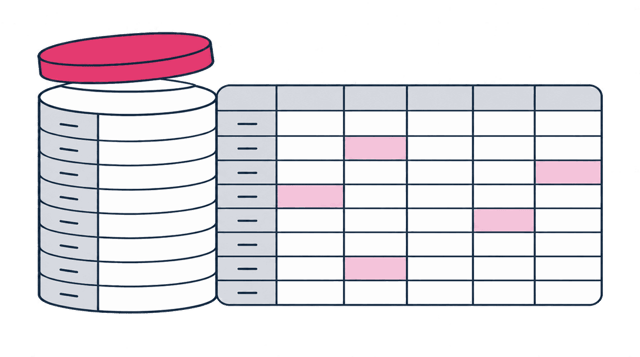
Dataset and sampling specification
A reviewable definition of the purpose, population, critical slices, source options, sampling constraints, and acceptance targets.

Policy
Candidate-source rights and consent register
A source-level record of provenance, proposed usage basis, consent evidence, access conditions, and unresolved restrictions.
Playbook
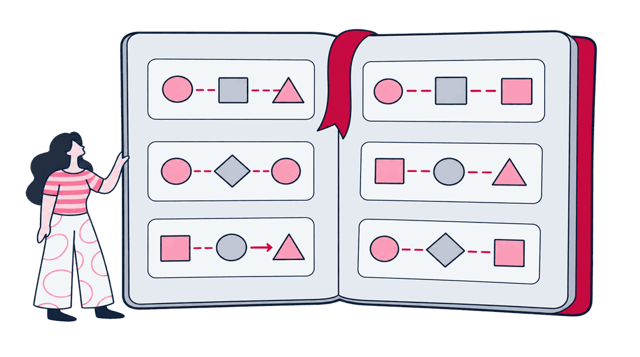
Collection protocol and provenance record
The collection steps, filters, deduplication rules, lineage events, rejections, transformations, and version history used to build the dataset.

Report
Slice coverage and source-acceptance scorecard
A slice-level view of coverage, defects, rights evidence, lineage completeness, rejected samples, and the open gaps considered at acceptance.


Scope and honest limits
When to bring us in
This is the right job when the dataset must stand for a named population and someone will later ask, record by record, where the material came from and why it was admitted.
A good fit when
- Your intended model, evaluation, or research use is clear, but nobody has translated that purpose into a population and sampling specification.
- Critical populations and slices matter, yet coverage follows whichever sources are easiest to open rather than the sampling constraints you agreed.
- Rights, consent, security restrictions and rejected samples are recorded during collection, but the history disappears before review.
- The intended use has been stated, but the target population, critical slices, sampling constraints, and acceptance targets still conflict.
- Candidate sources are available, though nobody has weighed their usage rights, consent, provenance, and security conditions in a single pass.
- Your records are being collected, but deduplication, defect controls, coverage checks, acceptance sampling, and lineage are not applied consistently.
- A dataset version is ready to hand over, yet its gaps, exclusions, rejected samples, and review owner are missing from the release record.

Better handled as other work when
- You need a legal conclusion that a source or proposed use is permitted. The rights file preserves the evidence, while your qualified authority makes that judgment.
- You need one collected version to represent every population, condition, or later use. Its acceptance applies only to the stated purpose and sampling design.
- You need data purchased or third-party access secured as part of collection. We can record candidate sources, but acquisition requires a separate agreement.
If one of these is closer to your situation, start here instead: Explore AI data services
Engineers who ship production AI
This is the part of Zeo that writes and ships code. Our senior engineers build agents, chatbots, and RAG pipelines, along with the automation and data work around them, and they keep operating those systems once they're live. We've worked with more than 500 brands since 2011.







Tools we use
Tools behind this work
 DVC
DVCthe version history the acceptance review compares this collection pass against
 Scale AI
the managed collection operation keeping consent evidence tied to each record
 Label Studio
the collection log tying source, decision, and rejection reason together as one record
 Snorkel AI
the programmatic rule layer the coverage-acceptance check runs against for systematic bias
 Tonic
Tonicthe synthetic supplement filling a population gap real sourcing can't reach
Adjacent work
Where this leads

Operations
Data Annotation & Labeling
Collection closes with records admitted but not yet judged. Deciding what each one means needs a settled label set, calibration on the disputed cases, and someone who resolves them.

Build
AI Data Preparation & Validation
The scorecard reports which slices came out thin, not whether the next split will leak. Duplicates carried in from two sources surface only when training and evaluation sets are compared.
Advisory
AI Data Strategy & Architecture
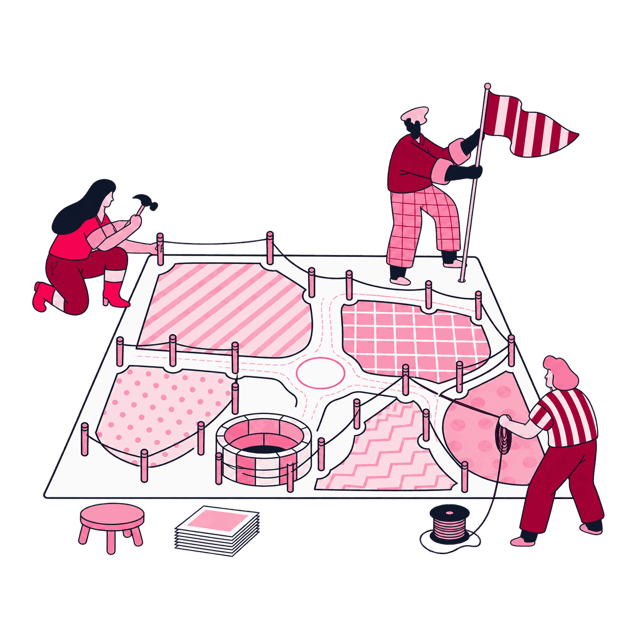
One collection answers one stated purpose. When a second team wants the same records under different access and retention rules, that conflict is an architecture decision, not a sampling one.


Next step
Define the population before opening the sources

Before you decide