


AI Data & Annotation · Built for consistent judgment
Data Annotation & Labeling
Labeling becomes reviewable only when the ontology, calibration cases, quality samples, and adjudication decisions stay tied to the same versioned production workflow.
Production labeling goes wrong when people are asked to make the same judgment with different rules. We settle the ontology, examples, ambiguity rules, calibration, quality samples, and adjudication before the queue opens, and keep those decisions available for review. The handoff gives your data owner an accepted-label release card, slice-level quality scorecard, and the exact rubric version behind every adjudicated example.

Some of the 500+ brands we've worked with
Selected brands we’ve worked with across industries.














 MeteksanGlobalCase Study




 VisperaGlobalCase Study























On this page
The run order, and who signs each step off
How we work
Before production starts, overlapping cases expose whether the instructions and the annotators lead to the same decisions. The queue opens only after those differences are understood.
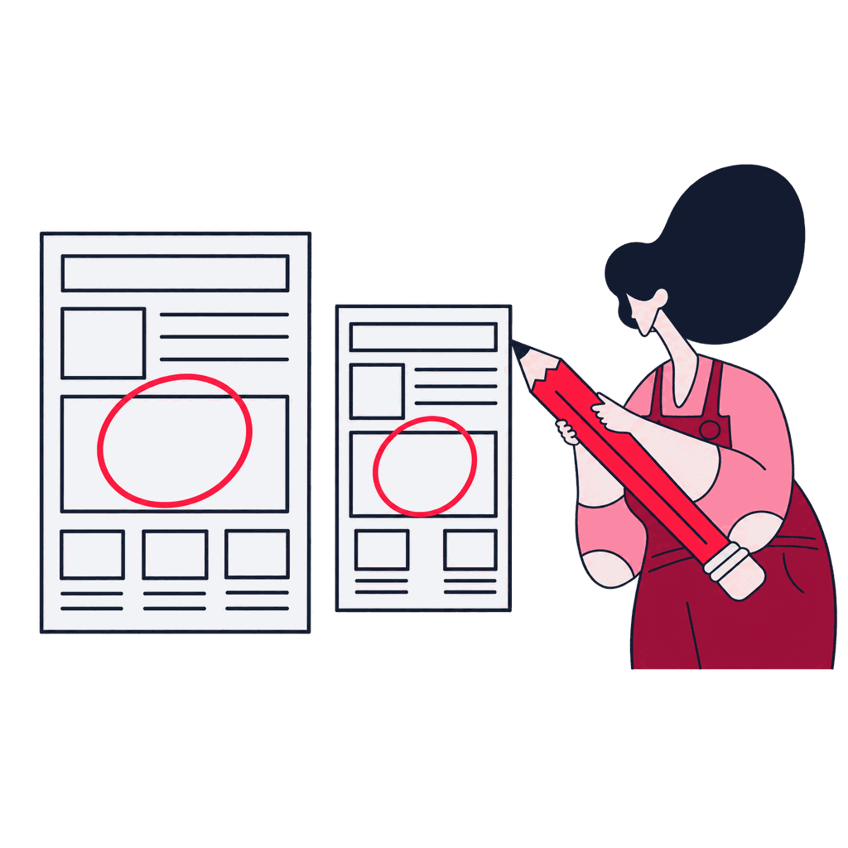
Define the labeling guide
We write the ontology, instructions, examples, ambiguity rules, and escalation path with the experts who know where the task can go wrong. You approve the rubric and which edge cases it must handle.
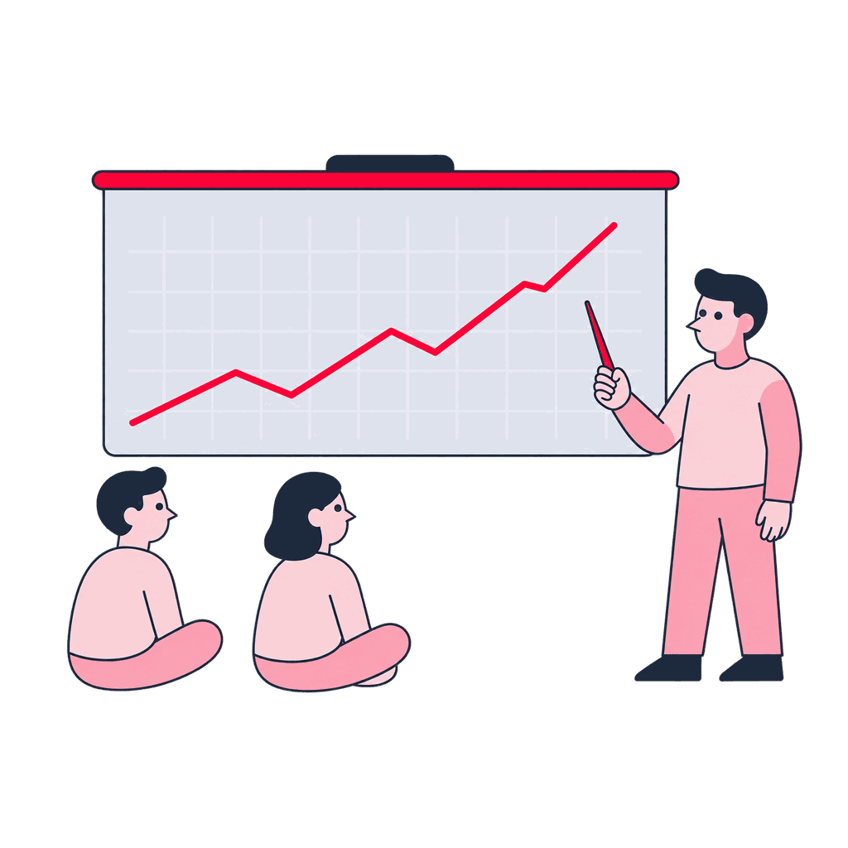
Calibrate the annotators
We train annotators on the guide, run overlapping gold tasks, compare disagreements, and revise unclear instructions before production begins. Your annotation lead decides which unclear instructions need rewriting before production.
Sample quality during delivery
We track inter-annotator agreement, adjudication rate, accepted-label defect rate, and quality-adjusted annotation throughput while reviewing critical slices separately from the main queue. Your annotation lead accepts or escalates each flagged quality exception.

Adjudicate and version the release
Domain experts resolve disputed examples, guideline changes are versioned, and the accepted labels ship with their quality record and known limits. You decide who accepts the labeled dataset and its remaining ambiguity.



Named artifacts you keep
What you get
The accepted labels travel with the rubric version, calibration cases, quality sample, and expert decisions that produced them.
Playbook
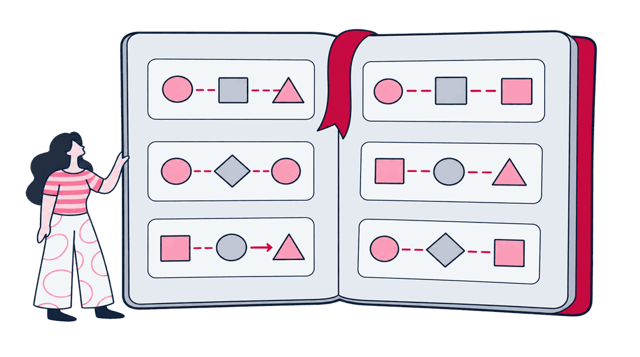
Ontology definitions and ambiguity-rule record
The label set, definitions, examples, exclusions, ambiguity rules, and escalation path used in the annotation operation.
Test evidence
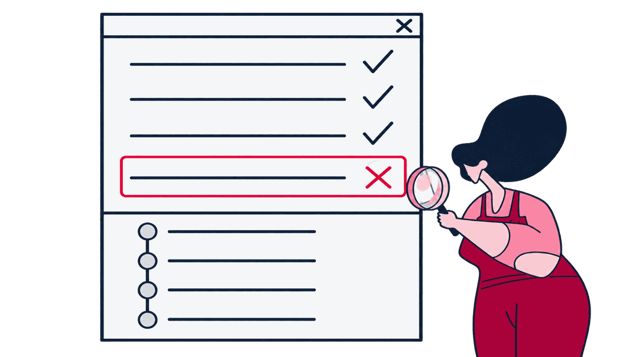
Gold-task calibration findings and guide changes
Overlapping calibration cases, disagreements, corrections, and the guide changes made before production.
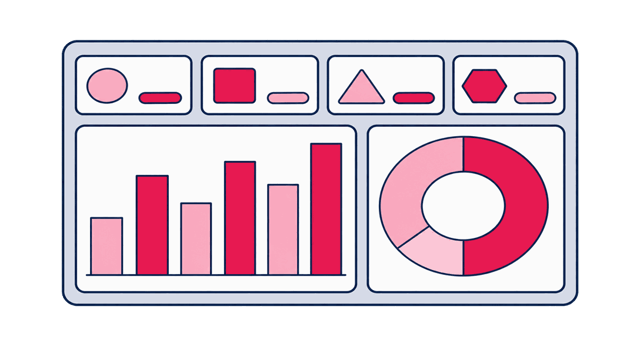
Dashboard
Slice-level quality and disagreement scorecard
A slice-level view of inter-annotator agreement, adjudication rate, accepted-label defects, and quality-adjusted annotation throughput.
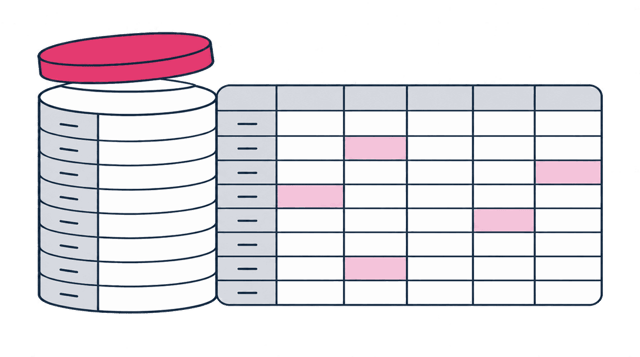
Dataset
Adjudication log and accepted-label release card
Disputed examples, expert decisions, guideline versions, dataset scope, quality checks, and known limits packaged with the accepted labels.


Scope and honest limits
When to bring us in
Use this when several people must apply the same judgment to difficult records and the team needs to inspect how disagreements were resolved.
A good fit when
- Your domain experts disagree on edge cases, so the target ontology and quality targets cannot yet guide one consistent labeling decision.
- Annotators are about to enter the production queue, but overlapping gold tasks still expose different readings of the labeling guide.
- Your accepted labels are ready to ship, yet nobody can trace disagreements, adjudication, or defects by critical slice.
- The ontology names the labels, but its examples and ambiguity rules still leave representative edge cases open to more than one judgment.
- Training is scheduled, while gold-task results show that annotators apply the production rubric differently enough to need recalibration.
- Your quality samples show disputed labels, but the shipped guideline has no adjudication log linking each expert decision to its version.
- Sensitive or harmful content is in the agreed data, yet exposure limits, access controls, and escalation routes remain unsettled.

Better handled as other work when
- You need legal approval for the raw data, labeling policy, or privacy basis. That determination stays with your qualified reviewer.
- You want one agreement score to prove every accepted label is correct, but the score cannot validate the ontology or every critical slice.
- New data types, languages, or ontology branches arrive after production starts, so the guide and calibration work need a separately scoped revision first.
If one of these is closer to your situation, start here instead: Explore AI data services
Engineers who ship production AI
This is the part of Zeo that writes and ships code. Our senior engineers build agents, chatbots, and RAG pipelines, along with the automation and data work around them, and they keep operating those systems once they're live. We've worked with more than 500 brands since 2011.





Tools we use
Tools behind this work
 DVC
DVCthe version snapshot that is literally the output of the page's own final step
 Label Studio
the labeling interface the settled ontology and ambiguity rules get built directly into
 Scale AI
the managed workforce with calibration built into the operation itself
 SuperAnnotate
the automated quality sample checking a live queue during delivery, not after
 Snorkel AI
the rule layer that turns an adjudication decision into a reusable, versioned rule
 Tonic
Tonicthe de-identified content annotators calibrate against before touching sensitive real data
 Jupyter
the notebook computing inter-annotator agreement as a rerunnable, checkable calculation
Adjacent work
Where this leads
Build
AI Dataset Collection
Gold tasks expose which edge cases the queue almost never sees. Filling that hole means going back to the sampling rule and the source rights, not writing another guideline clause.

Build
AI Data Preparation & Validation
Accepted labels ship with an adjudication log and a rubric version. Before a model sees them, those records still need deduplication and a split that keeps disputed examples out of evaluation.
Advisory
AI Data Strategy & Architecture
A labeling queue costs expert hours every time the ontology branches. Whether that cost sits with one team or spreads across domains belongs in the domain map, beside ownership and access.


Next step
Settle the difficult labels before opening the queue

Before you decide