


AI Evaluation & Assurance · Model selection evidence
LLM Evaluation & Benchmarking
Every candidate runs the same representative tasks, slices, rubrics, safety constraints, and cost conditions. A public leaderboard cannot do that for your workload, users, language mix, and latency budget.
A leaderboard can't tell you which model fits your workload, users, language mix, and latency budget. We run every candidate on the same representative tasks, slices, rubrics, safety constraints, and cost conditions, then show what each option gains and what it gives up to get it. Your product owner chooses tradeoffs from a benchmark someone else can rerun, with per-slice exceptions and the rejected candidates recorded next to the chosen one.

Some of the 500+ brands we've worked with
Selected brands we’ve worked with across industries.














 MeteksanGlobalCase Study




 VisperaGlobalCase Study























On this page
The run order, and who signs each step off
How we work
Comparable evidence comes before ranking. Each candidate runs the same workload under the same recorded review rules, or the comparison means nothing.
Define the selection decision
We agree the workload, critical slices, quality and safety criteria, latency and cost boundaries, operating constraints, and decision owner. Your product owner confirms the criteria reflect this decision, not a generic benchmark.

Build the shared benchmark
We prepare representative cases, rubrics, run settings, dependency notes, and failure examples that apply equally to each candidate. Your evaluation lead confirms every candidate runs under truly comparable conditions.

Run and challenge the comparison
We test quality, critical slices, safety constraints, latency, and cost, then inspect exceptions and repeated-run variation. Your product owner decides which tradeoff each candidate is actually making.

Record the recommendation
We document the evidence, limitations, dependencies, open exceptions, acceptable tradeoffs, and the owner-approved selection or next test. Your product owner accepts the selected candidate or orders another test.



Named artifacts you keep
What you get
The recommendation stays open to inspection, including the assumptions and tradeoffs underneath it.

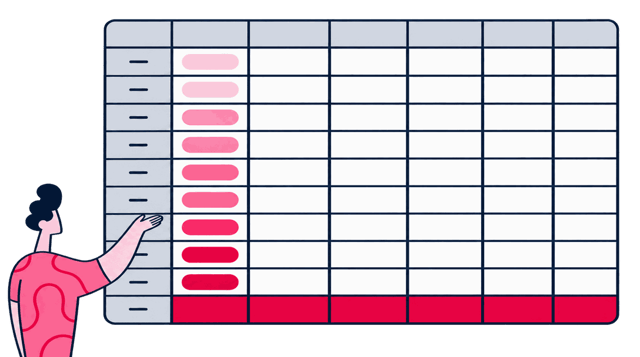
Dashboard
Reproducible LLM benchmark and limitations report
Records the candidate versions, workload, run conditions, results, critical slices, and limits of the comparison.
Risk register
Where the benchmark evidence came from
Lists source cases, evaluation assumptions, provider or system dependencies, missing evidence, and material constraints.

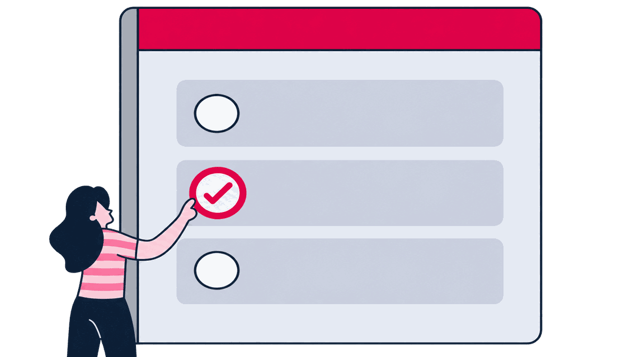
Report
Per-slice readout with the exceptions found
Breaks out quality, safety, latency, cost, and failure cases with accepted and unresolved exceptions.
Decision record
Handoff note on the chosen candidate and its tradeoffs
States the selected candidate or next test, accepted tradeoffs, conditions, owners, and review trigger.


Scope and honest limits
When to bring us in
Public scores and vendor demos are useful context, but they can't choose a model for your workload, users, language mix, and operating constraints. This work exists for that decision.
A good fit when
- Candidate models look similar on generic scores but behave differently on your tasks and critical slices.
- Quality is only half the question, because a model that answers well can still miss your latency budget or cost more per call than the workload can carry.
- The product owner will accept a tradeoff rather than wait for a universal winner, so the comparison has to show what each option gives up.
- Several candidates are in play, but no one has run them on the same tasks, slices, rubrics, safety constraints, latency ceiling, and cost basis.
- Each team has evidence for its favorite model, while nobody has matched the workload, run conditions, or slices those numbers came from.
- A recommendation will have to be defended later, so it needs acceptance tests, recorded exceptions, and a named owner attached to it.
- The comparison has to be repeatable, because provider versions move and last quarter's numbers no longer prove anything.

Better handled as other work when
- The benchmark has to stand as an audit artifact or regulatory filing. It records model behavior under stated conditions, not a certification anyone can rely on.
- You want to be told which model is best, full stop. The answer here holds for one workload, one language mix, and the versions we recorded.
- The next step is migration or a commercial negotiation. Benchmarking ends at the recommendation unless production work is scoped alongside it.
If one of these is closer to your situation, start here instead: See the evaluation service
We operate the systems we test
It's hard to test a system well if you've never had to keep one running. We operate production AI ourselves, so our evaluation, security testing, and LLMOps work starts from what actually breaks. The people on it are senior engineers, and Zeo has been doing client work since 2011.







Tools we use
Tools behind this work
 Google Gemini
one of the candidate models tested under the same shared benchmark conditions
 OpenRouter
reaches every candidate model across providers through one integration
 Groq
Groqserves open-weight candidates at real low-latency conditions for the comparison
 Braintrust
runs every candidate through the same tasks, slices, and rubrics in one harness
 Helicone
measures each candidate's real cost and latency under the same conditions
 Patronus AI
scores safety constraints across candidates as its own axis, separate from quality
Adjacent work
Where this leads

Advisory
AI Evaluation Strategy
This comparison settles which candidate wins on your workload, slices, latency, and cost. What the winner must clear before it reaches users, and who signs that off, is decided elsewhere.

Build
Golden Dataset Development
Every candidate runs the same cases, so a fair ranking depends entirely on that case set. Contamination checks matter most here, because a model trained on the benchmark wins for free.

Assurance
Independent AI Agent Evaluation
We rank models on fixed prompts under recorded run conditions. Once the winner is wired into an agent that calls tools and recovers from failure, testing follows it there.


Next step
Choose the tradeoff your product can live with

Before you decide