


AI Strategy & Transformation · Advisory
AI Business Case & ROI Modeling
Appealing returns are easy to model. An AI investment case earns credibility by holding current economics and a viable non-AI alternative to the same assumptions, giving every material driver an owner, and letting downside, base, and upside cases overturn the recommendation.
One appealing ROI figure rarely survives a finance review. We build the case from your current costs, a credible non-AI alternative, and assumptions stated in the open, so the model shows a range and the conditions the return depends on. How wide the return range is, what it depends on, and when finance reopens the call stop being opinions. The sourced baseline, explicit assumption ledger, scenario sheet, and funding brief answer each.

Some of the 500+ brands we've worked with
Selected brands we’ve worked with across industries.







 GeneraliGlobalCase Study









 OdeabankGlobalCase Study








































 Albaraka TürkGlobalCase Study




























On this page
The run order, and who signs each step off
How we work
Every important number needs three things before it can carry a funding decision. A source. An owner. And a scenario where it fails.
Establish the baseline
We gather current process costs, outcomes, demand volumes, implementation options, risk constraints, and the assumptions finance already owns. The non-AI alternative for comparison gets defined here too. The baseline figures and the non-AI alternative enter the model only after your finance owner confirms them.

Model the economics
Benefit, adoption, implementation, operating, and total-cost-of-ownership drivers go into the model with estimates kept apart from observed evidence. False precision is easier to catch that way. The materiality stays with your finance owner, who decides which cost and benefit drivers belong in the model.

Test the assumptions
Downside, base, and upside cases run against the model, with sensitivity checks on the inputs that matter. A case that compares AI only with doing nothing gets challenged. After sensitivity testing, the finance owner chooses which assumptions remain credible.
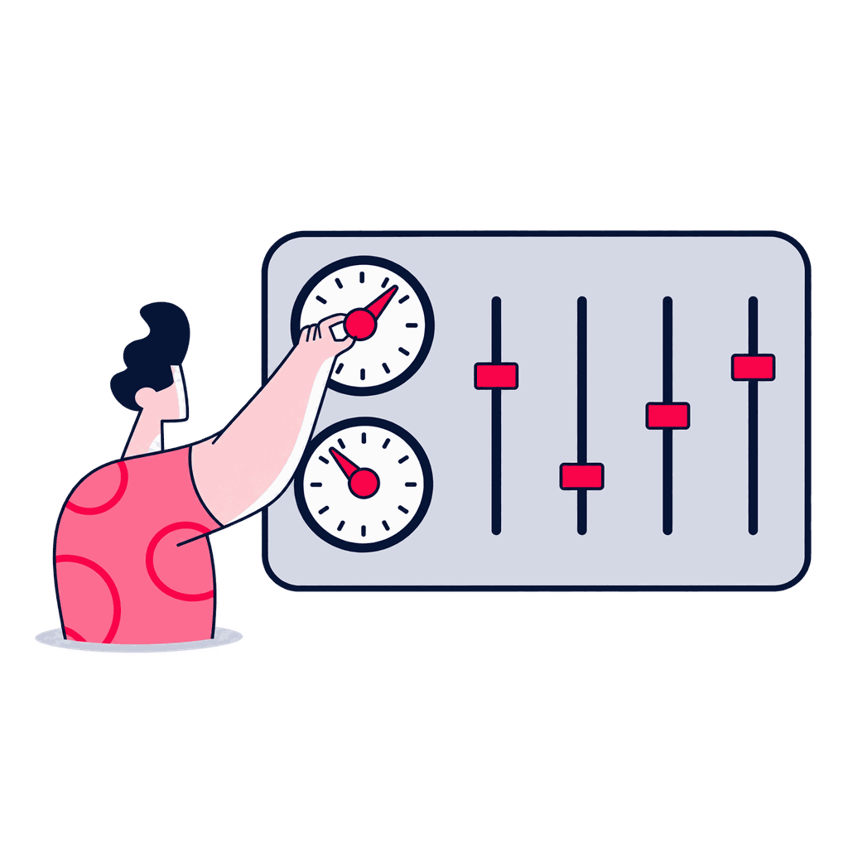
Put the decision on record
The brief captures the range, the key dependencies, the evidence still unresolved, and the conditions under which the initiative gets funded, tested, delayed, or stopped. The case closes when your finance owner accepts its range, limits, and funding decision.



Named artifacts you keep
What you get
You get the model with its reasoning attached. A headline number detached from its evidence would not survive the first hard question.

Dashboard
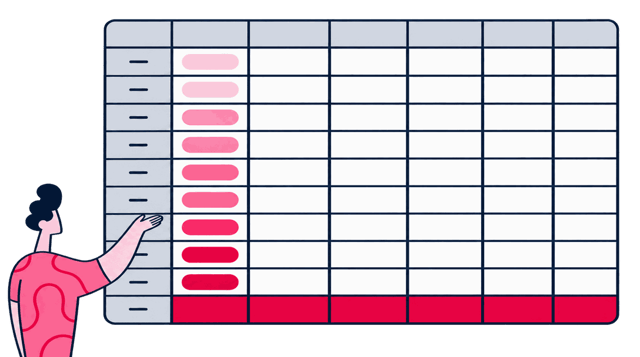
Baseline workbook and counterfactual
The current cost and outcome view, side by side with the non-AI alternative used as the comparison case.
Risk register
Finance-owned assumptions and source ledger
The benefit, cost, adoption, risk, and operating assumptions, each carrying its evidence status and owner.
Matrix
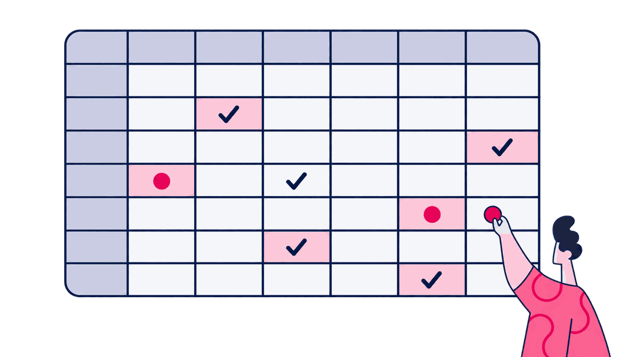
Downside-to-upside TCO scenario sheet
Downside, base, and upside scenarios with the payback range and the sensitivity of each critical assumption.
Decision record
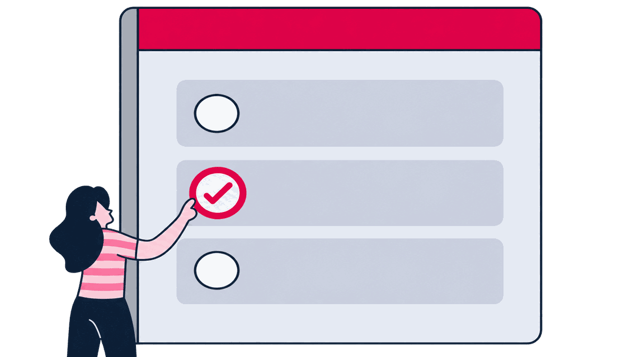
Funding conditions and review-point brief
A concise record of the recommended next step, decision conditions, open risks, owners, and review point.


Scope and honest limits
When to bring us in
Funding stalls when nobody can compare the AI proposal's benefits, operating costs, and alternatives on the same terms. That comparison is the work here.
A good fit when
- One ROI figure carries the proposal, but finance cannot inspect which current costs, adoption assumptions, or non-AI comparison produced it.
- Implementation and operating costs change between proposal versions, so the total-cost-of-ownership model no longer has one finance-approved baseline.
- Finance has not seen downside, base, and upside cases, so the next funding step still rests on untested assumptions.
- Current process costs are available, but the model does not place them beside a credible non-AI option under the same demand and risk constraints.
- The benefits and implementation costs are listed, while adoption, operating, and total-cost-of-ownership drivers still mix estimates with observed evidence.
- A base case looks attractive, but no sensitivity analysis shows which downside or upside input changes the payback range and funding recommendation.
- Material assumptions feed the model, yet their finance owner, evidence link, decision condition, and next review trigger are still missing.

Better handled as other work when
- You need a guaranteed return, payback date, or forecast accuracy. The range shows conditions and cannot promise what adoption, execution, or markets will do.
- You need the funding case accepted for audit or certification, or treated as a legal or regulatory judgment. Those decisions remain with your qualified authorities.
- You need implementation or benefit tracking after finance makes the call. This engagement stops at the accepted case unless delivery is scoped separately.
If one of these is closer to your situation, start here instead: Explore AI strategy consulting
Advice from people who build
We've worked with more than 500 brands since Zeo started in 2011. The people helping you decide where AI fits, and where it doesn't yet, are senior engineers and strategists who build and operate production AI systems. The advice stays grounded in work that actually shipped.







Tools we use
Tools behind this work
 Airtable
tracks each assumption, owner, evidence source, and review date
 Notion
records the decision, conditions, alternatives, and accepted residual uncertainty
 Jupyter
reruns the ROI range when any disputed assumption changes
Adjacent work
Where this leads

Advisory
AI Opportunity Portfolio Assessment
Financial modeling quantifies unit economics and cost curves, while the portfolio assessment balances feasibility and strategic impact across candidates.

Advisory
AI Transformation Roadmap
Validated payback timelines and capital allocations determine the execution sequence and gating criteria across multi-year transformation phases.

Advisory
AI Operating Model Design
Projected savings and tooling expenditures inform how internal capabilities, centralized centers of excellence, and external vendors should be structured.


Next step
Put the economics under review

Before you decide