


AI Transformation Roadmap
A transformation sequence only holds when capability gaps, cross-workstream dependencies, milestone evidence, and decision authority are reviewed together before each investment wave advances.
A roadmap becomes useful when it shows what must happen first and what would justify the next investment. We order the capability, data, governance, people, and delivery work behind your priority outcomes, then mark the evidence your leaders will use to scale, pause, or stop each wave. Your leaders leave with dependency-ordered investment waves, named workstream owners, and milestone gates for scaling, pausing, or stopping the next commitment.

Some of the 500+ brands we've worked with
Selected brands we’ve worked with across industries.







 GeneraliGlobalCase Study









 OdeabankGlobalCase Study








































 Albaraka TürkGlobalCase Study




























On this page
The run order, and who signs each step off
How we work
We move from the current state to a priority-linked target and current capability map, then arrange the dependent work into investment waves. A person with the right authority makes every transition.
Get the starting point straight
We document today's capabilities, active initiatives, known dependencies, and places where workstreams collide. This is the planning baseline. It isn't the target design. The target design waits until your engagement lead confirms the current-state map.

Put the work in dependency order
We define the gaps behind the priority outcomes and place the data, technology, governance, people, and change work in the order the responsible teams recognize. A dependency changes the proposed order only when your strategy lead accepts it.
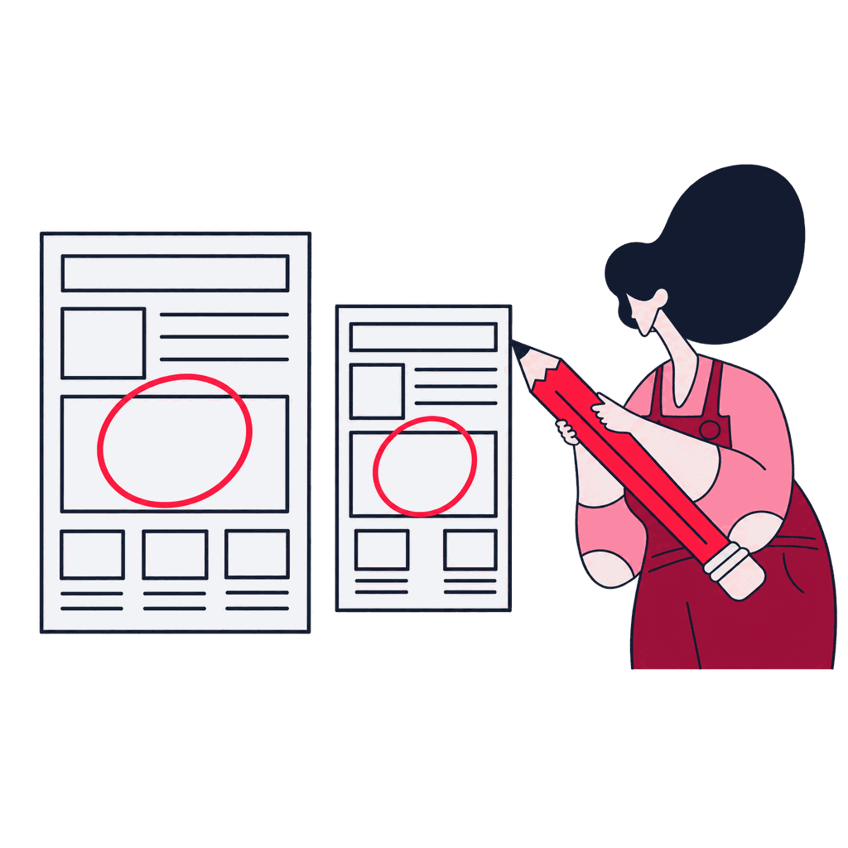
Decide what each wave must prove
The sequence becomes a set of investment waves. Each one has milestone evidence and clear conditions for passing, passing with conditions, pausing, or stopping. Pass, conditional pass, pause, and stop remain decisions for your leadership sponsor.

Hand the roadmap to its owners
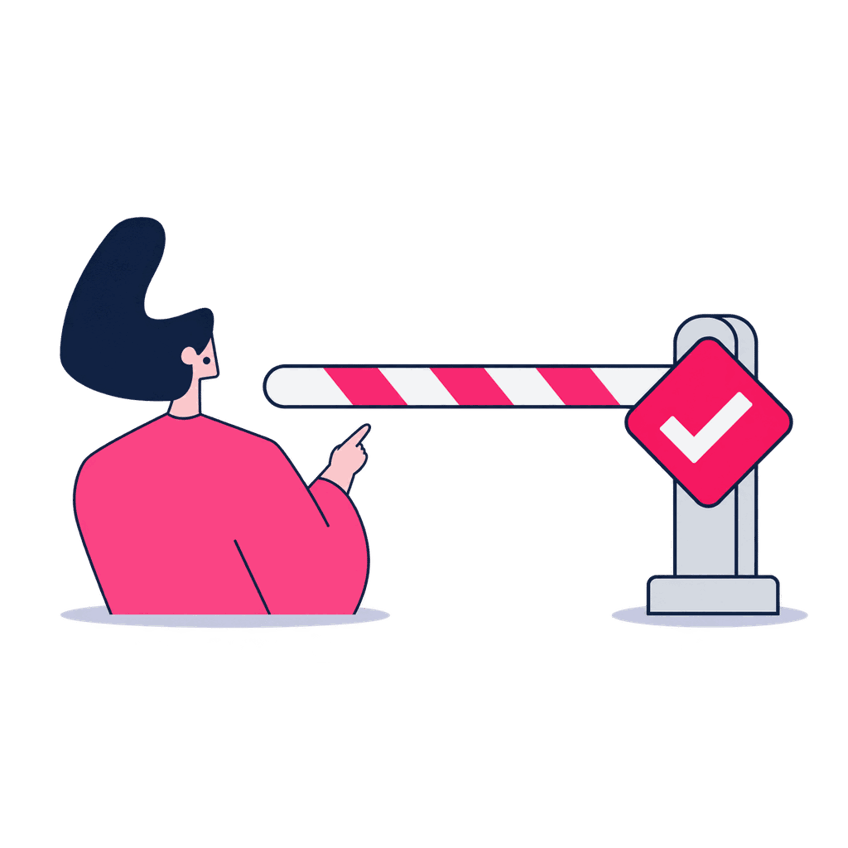
Every workstream gets a responsible role, every gate gets an authority, and the next review point goes into the record before we step back. Before handoff, your engagement lead confirms each workstream owner and its next gate authority.


Named artifacts you keep
What you get
The planning input and the target design stay separate. Each artifact records its source, owner, and version so your team can update the roadmap when the evidence changes.
Matrix
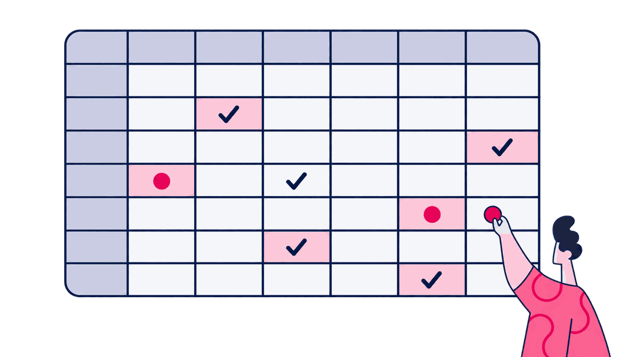
Priority-linked target and current capability map
The capabilities your priority outcomes require, shown beside the confirmed current-state baseline.
Architecture document
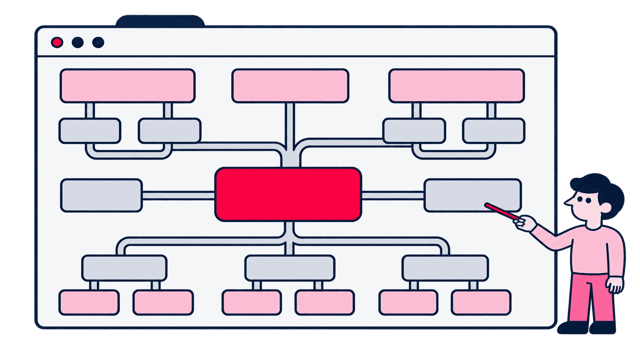
Workstream dependency map and where delays collide
The links among data, technology, governance, people, and change work, including where one delay can hold up another workstream.
Roadmap
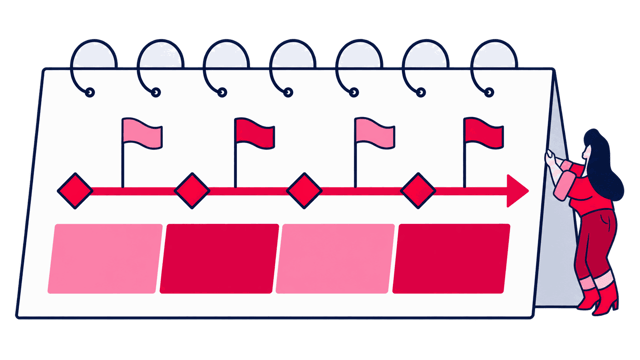
Phased transformation roadmap with wave-by-wave gates
Investment waves in dependency order, each with milestone evidence and a decision gate.
Decision record
RACI and milestone gate register
The responsible role for each workstream, the authority at each gate, and the date or condition for the next review.


Scope and honest limits
When to bring us in
Before we plan the sequence, we agree which business outcome matters and who can accept the resulting decisions. We also need enough current-state evidence to see where the workstreams depend on one another.
A good fit when
- Priorities and current capabilities are agreed, but nobody has ordered the data, governance, and people work that depends on them.
- Your teams can point to today's initiatives and dependencies, but no one has put them in an order the whole group recognizes yet.
- Leadership keeps approving initiatives without milestones that could justify scaling, pausing, or stopping any of them.
- Capabilities and initiatives already exist across teams, but nobody has drawn them into one current-state map showing where the work collides.
- Target capability gaps are easy enough to name, yet the data, technology, governance, people, and change work behind them still has no agreed order.
- A sequence of investment waves means little without milestone evidence at each gate telling leaders whether to scale, pause, or stop the next one.
- Ownership and gate authority are often assumed rather than assigned, so the handoff needs a named workstream owner and a decision authority written down.

Better handled as other work when
- You want the wave sequence itself to double as legal or regulatory sign-off. That determination, and the evidence behind it, stays with your qualified authority.
- The sequence can name what should happen first, but it cannot guarantee execution goes to plan once the waves actually start moving.
- You want Zeo to run the workstreams after handoff. That delivery work sits outside this roadmap unless we scope it as its own engagement.
If one of these is closer to your situation, start here instead: See AI strategy consulting
Advice from people who build
We've worked with more than 500 brands since Zeo started in 2011. The people helping you decide where AI fits, and where it doesn't yet, are senior engineers and strategists who build and operate production AI systems. The advice stays grounded in work that actually shipped.







Tools we use
Tools behind this work
 Airtable
links every roadmap item to dependencies, evidence, and ownership
 Notion
records what each wave must prove before more investment
 Asana
Asanatests roadmap sequencing against real owners, capacity, and dependencies
Adjacent work
Where this leads

Advisory
AI Opportunity Portfolio Assessment
Roadmap phasing schedules the delivery of prioritized use cases identified and scored during the portfolio assessment.
Advisory
AI Business Case & ROI Modeling
Multi-year investment waves are gated against measurable ROI milestones and validated cost efficiency targets.

Advisory
AI Operating Model Design
Roadmap execution establishes the organizational structures, hiring pipelines, and center of excellence capabilities required over time.


Next step
Put the first investment wave in order

Before you decide