


AI Strategy & Transformation · Advisory
AI Operating Model Design
What stalls AI work is rarely the technology. It is that funding, approval, delivery, operation, and value ownership sit with five people who have never agreed on the handoffs between them.
AI work can stall when nobody knows who can fund, approve, or stop it. We assign those decision rights across sponsorship, delivery, review, operation, and value ownership, and connect them through governance handoffs that hold up under pressure. When funding, review, or a stop decision is contested, your decision owner can point at the responsibility map and the stress-test report instead of calling a meeting.

Some of the 500+ brands we've worked with
Selected brands we’ve worked with across industries.







 GeneraliGlobalCase Study









 OdeabankGlobalCase Study








































 Albaraka TürkGlobalCase Study




























On this page
The run order, and who signs each step off
How we work
We design from real decisions, then push on the places where responsibility tends to blur.
Map today's decisions
Current decision rights, delivery roles, funding routes, governance interfaces, and value owners go into one picture, along with the authority expected to accept the result. Your decision owner must confirm the current model before the team challenges it.

Work through the friction
With decision owners and representative examples in the room, we dig into the delays, overlaps, missing authority, and dependencies that make AI work hard to fund or deliver. Whether a friction point is systemic or a one-off complaint is for the decision owner to settle.

Design the target model
Decision rights and handoffs get assigned across delivery, governance, operation, and value ownership. Exceptions stay explicit. Burying them in an organization chart is how models fail. The explicit rights and exceptions enter the target model only with decision-owner approval.
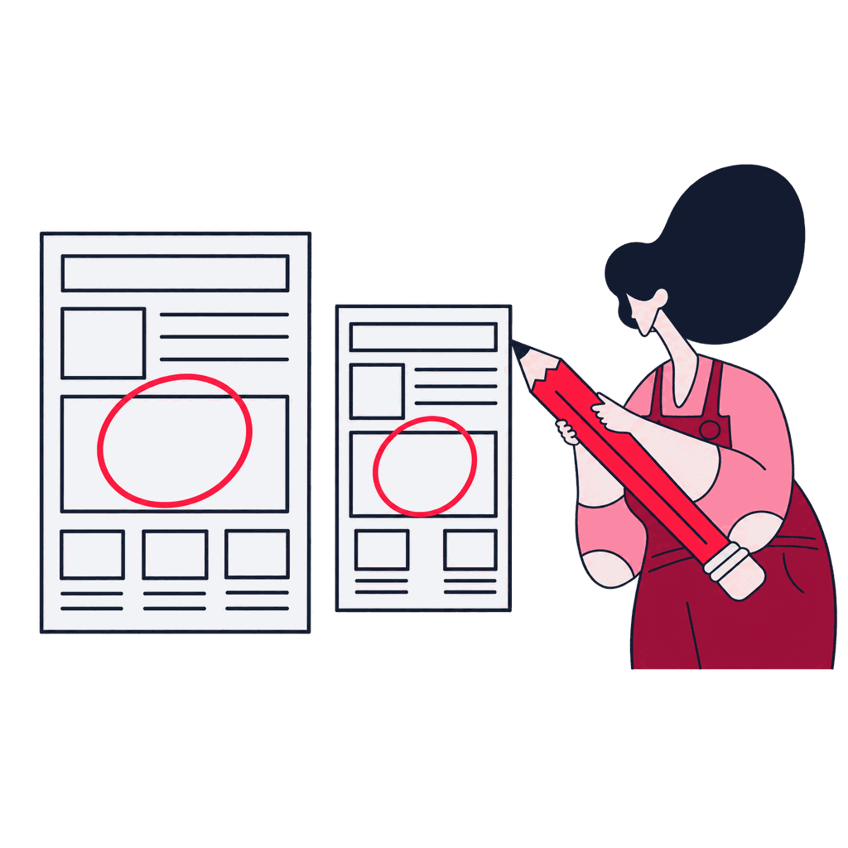
Test and hand over
Representative and failure cases run against the model. Open exceptions get an owner and a review point before anyone signs. The acceptance belongs to your authority, including the open exceptions and next review date.



Named artifacts you keep
What you get
The artifacts trace how a decision travels through your organization and where responsibility changes hands.
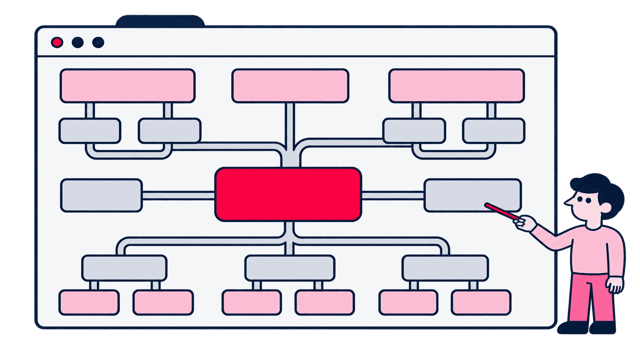
Architecture document
Target AI operating model and responsibility map
The roles, decision rights, funding paths, governance interfaces, and value owners for the target way of working.
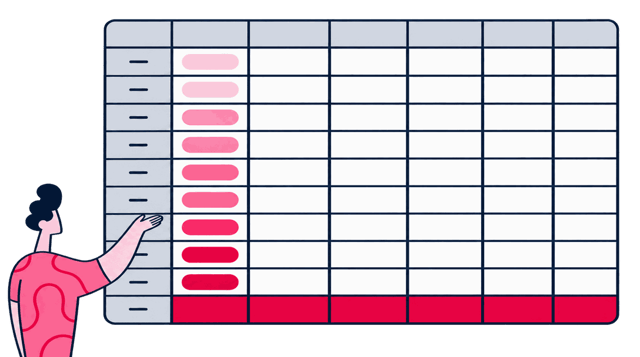
Risk register
Evidence trail behind the target operating model
The source evidence, design assumptions, dependencies, and unresolved questions behind the operating model.
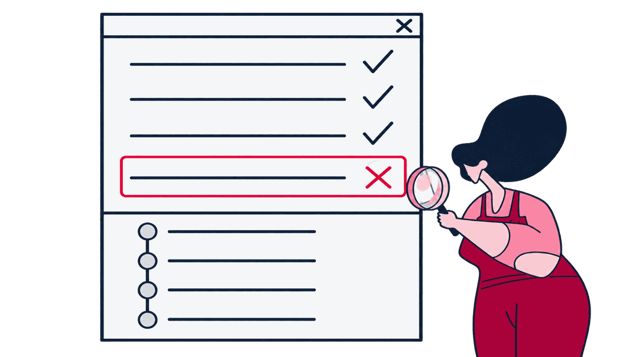
Test evidence
Handoff stress-test report and open exceptions
What happened when common paths, failure cases, escalation routes, and ownership exceptions were tested.
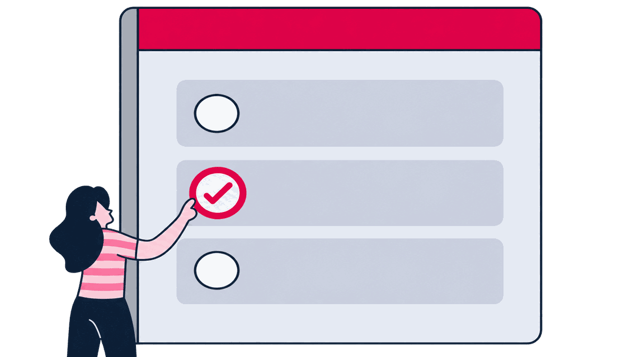
Decision record
Acceptance and handoff brief for the target model
The accepted model, remaining conditions, clear owners, and the next review date.


Scope and honest limits
When to bring us in
The work fits when AI crosses team boundaries but funding, authority, delivery responsibility, or value ownership hasn't kept up.
A good fit when
- An AI project waits on a decision nobody makes, because the right to fund it, approve it, or stop it sits with three people who each assume another holds it.
- Delivery and governance review run in parallel, but nothing says what passes between them, who hands it over, or what a review can send back.
- A business case names the value the work should return, yet once the pilot closes nobody owns that number.
- Sponsorship, delivery, risk review, operation, and value ownership all touch the same AI work, but no document says which of them decides what.
- Funding routes and delivery roles were set up project by project, so a new dependency or a shared governance interface has no obvious way through.
- Escalation and exception paths exist in principle, but nobody has walked an awkward case through them to see where the handoff actually stops.
- A responsibility map exists somewhere, but the person who would enforce it never accepted it and it carries no date to be looked at again.

Better handled as other work when
- You want the responsibility map to carry legal or audit weight. Making decision rights binding stays with your legal and audit authorities.
- You want a reorganization. This work reassigns decision rights inside the structure you already have, and reporting lines stay yours to change.
- You need someone to run the model after handoff. We test it, hand it over with its open exceptions, and stop there unless ongoing support is scoped separately.
If one of these is closer to your situation, start here instead: Explore AI strategy consulting
Advice from people who build
We've worked with more than 500 brands since Zeo started in 2011. The people helping you decide where AI fits, and where it doesn't yet, are senior engineers and strategists who build and operate production AI systems. The advice stays grounded in work that actually shipped.







Tools we use
Tools behind this work
 Notion
holds decision rights, escalation rules, and accepted handoff definitions
 Airtable
maps each recurring AI decision to its accountable roles
 Asana
Asanatests proposed handoffs through real states, owners, and exceptions
Adjacent work
Where this leads

Advisory
AI Opportunity Portfolio Assessment
Centralized and federated team models are structured around the specific technical demands and delivery cadences of prioritized use cases.
Advisory
AI Business Case & ROI Modeling
Staffing allocations and center of excellence overhead are balanced against projected efficiency gains across business units.
Advisory
AI Transformation Roadmap
Organizational design establishes the hiring, capability transfer, and governance milestones executed across transformation waves.


Next step
Make the handoffs explicit

Before you decide