


AI Strategy & Transformation · Advisory
AI Opportunity Portfolio Assessment
Every idea on the list earns a specific outcome, a score on the same rubric, and visible evidence confidence. We reopen the portfolio ranking when material evidence or dependencies change.
Every team has an AI idea, and most lists grow faster than anyone can vet them. We work through yours until each use case carries a pursue, test, park, or reject call with the evidence, uncertainty, dependencies, and owner visible behind it. Your portfolio owner receives a defensible pursue, test, park, or reject path for every use case, with weak evidence, dependencies, assumptions, and review points kept visible.

Some of the 500+ brands we've worked with
Selected brands we’ve worked with across industries.







 GeneraliGlobalCase Study









 OdeabankGlobalCase Study








































 Albaraka TürkGlobalCase Study




























On this page
The run order, and who signs each step off
How we work
A high score built on thin evidence is worse than no score. So the rubric stays simple enough that anyone in the room can challenge it.
Define the outcomes
Candidate use cases, business priorities, workflow evidence, technical constraints, and decision owners come in first. Each idea gets a specific job before anyone scores it. The assessment starts after your portfolio owner confirms that every use case has a specific outcome.

Calibrate each case
Value, feasibility, risk, and evidence confidence go onto one shared rubric. When evidence is missing or contradicts itself, that stays visible instead of being averaged away. When evidence is thin or conflicting, the portfolio owner decides which score stands.
Shape the portfolio
Dependencies get compared and each case lands on a pursue, test, park, or reject path. An idea without an owner or a workable dependency plan does not quietly advance. Investment versus a validating experiment remains your portfolio owner’s call.

Record the calls
Every case closes with its decision, owner, conditions, unresolved assumptions, and next review point written down. The recorded outcome and reason for every case require portfolio-owner acceptance.



Named artifacts you keep
What you get
What you take away is a working portfolio. Your team can challenge it, update it, and act on it.
Test evidence
Use-case outcome, constraints, and open-question dossier
One consistent record per idea covering its intended outcome, available evidence, constraints, owner, and open questions.
Matrix
Value, feasibility, risk, and confidence scorecard
The shared criteria and decision rules behind every value, feasibility, risk, and confidence comparison.

Dashboard
Portfolio map for pursue, test, park, and reject paths
The portfolio view separating pursue, test, park, and reject paths, with dependencies and weak evidence exposed.
Decision record
Accepted portfolio calls and review-point log
The accepted calls, conditions, assumptions, owners, and review points for the current portfolio.


Scope and honest limits
When to bring us in
This is the right moment when ideas are multiplying faster than your team can test, fund, or reject them with confidence.
A good fit when
- Teams use different definitions of value and feasibility, so the same use case moves up or down the ranking depending on who scores it.
- A promising use case arrives without workflow evidence or a workable dependency plan, leaving the portfolio owner unable to choose its next path.
- Your team cannot defend a past portfolio call when the evidence and reasoning behind it are no longer on record.
- Each use case needs a stated business outcome, because an idea without that job cannot enter a comparable portfolio decision.
- Value and feasibility scores exist, but the available evidence does not show how much confidence the portfolio owner should place in them.
- The opportunity list keeps growing, yet no idea has a recorded pursue, test, park, or reject path that the portfolio owner can defend.
- A portfolio call has been made, but its owner, dependencies, assumptions, and next review point are missing from the record.

Better handled as other work when
- You need the portfolio ranking to count as legal or certification approval. The ranking records the evidence behind each call, and your authorities approve.
- You expect a high-ranked idea to deliver a fixed return. The rubric compares value and evidence confidence, but it cannot promise the outcome.
- You need the selected use cases built or operated now. This assessment chooses which path they merit, while delivery requires a separate scope.
If one of these is closer to your situation, start here instead: Explore AI strategy consulting
Advice from people who build
We've worked with more than 500 brands since Zeo started in 2011. The people helping you decide where AI fits, and where it doesn't yet, are senior engineers and strategists who build and operate production AI systems. The advice stays grounded in work that actually shipped.

Yiğit Konur
Founder & Chief Strategy Officer

Elif Naz Akan Karakoç
Senior SEO Executive

Didem Himmetli
Marketing Executive

Burak Pehlivan
Co-founder & CEO

Ataberk Yüzat
SEO Executive

Mehmet Aktuğ
Co-Founder & COO

Aybüke Göktuna
Senior SEO Analyst
Content we've produced on this topic
Tools we use
Tools behind this work
 Airtable
structures every opportunity, dependency, uncertainty, owner, and portfolio call
 Notion
records why each call stands and what reopens it
 Jupyter
reruns portfolio rankings when evidence or scoring weights change
Adjacent work
Where this leads
Advisory
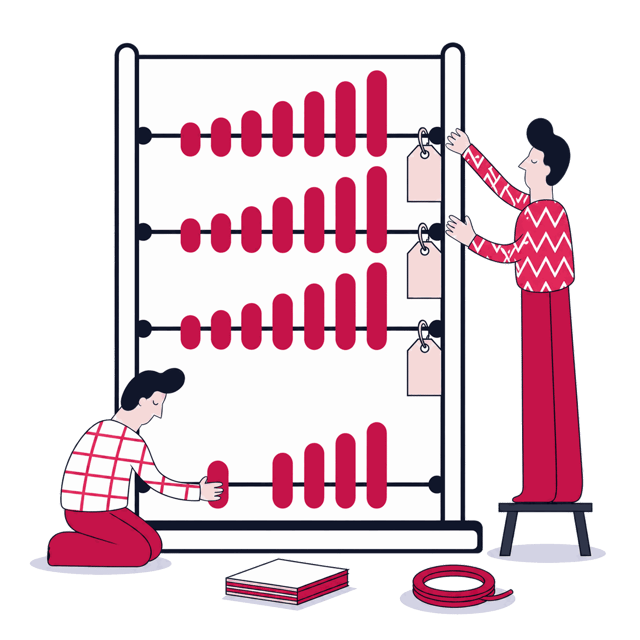
AI Business Case & ROI Modeling
Scored use-case candidates undergo detailed financial modeling to validate net present value, infrastructure costs, and workforce payback periods.
Advisory
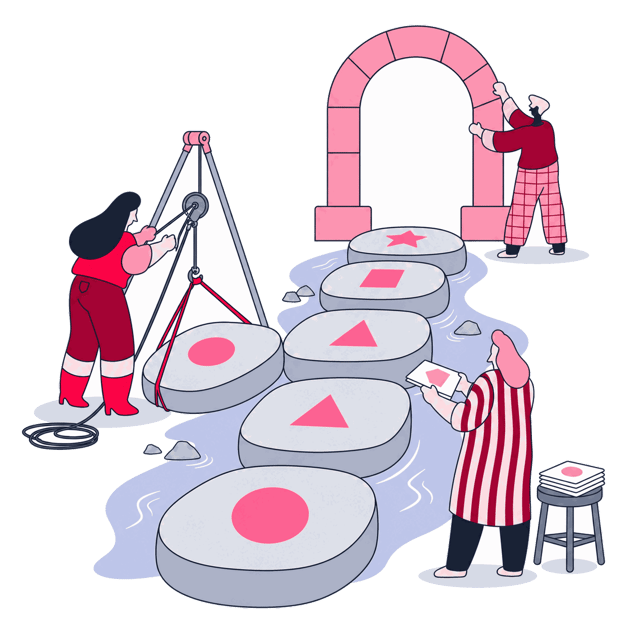
AI Transformation Roadmap
Prioritized initiative clusters are sequenced into multi-phase delivery waves based on dependency constraints and operational readiness.

Advisory
AI Operating Model Design
Selected high-impact use cases dictate the required cross-functional staffing, delivery ownership, and shared infrastructure support.


Next step
Sort the ideas worth testing

Before you decide