


Corporate AI Training & Literacy
Executive AI Literacy
Executive AI literacy has to be practiced against live portfolio, risk, governance, and investment choices, with enough technical depth to challenge claims without outsourcing leadership judgment.
Leaders don't need a model-building class. They need enough technical grounding to challenge claims and work through portfolio, risk, governance, operating-model, and investment choices already on the agenda. The session follows those decisions and records who takes each question forward. Leaders leave with a shared question set, worked decision scenarios, observed confidence gaps, and named sponsors for the actions tied to their agenda.

Some of the 500+ brands we've worked with
Selected brands we’ve worked with across industries.










 Wall Street EnglishGlobalCase Study















 MeteksanGlobalCase Study






 OtsimoGlobalCase Study












































 VisperaGlobalCase Study









On this page
The run order, and who signs each step off
How we work
Every concept earns its place by helping leaders test a claim, expose a missing dependency, or work through a decision already on the agenda.
The agenda starts with decisions
We interview leaders about the portfolio, risk, governance, operating-model, and investment questions already on their agenda. Your executive sponsor confirms which decisions the session should target.

Enough technical depth for the room
We explain the capabilities, limits, dependencies, and failure patterns needed to reason about those scenarios without turning the session into a technical lecture. Our facilitator decides how much technical depth serves the group.
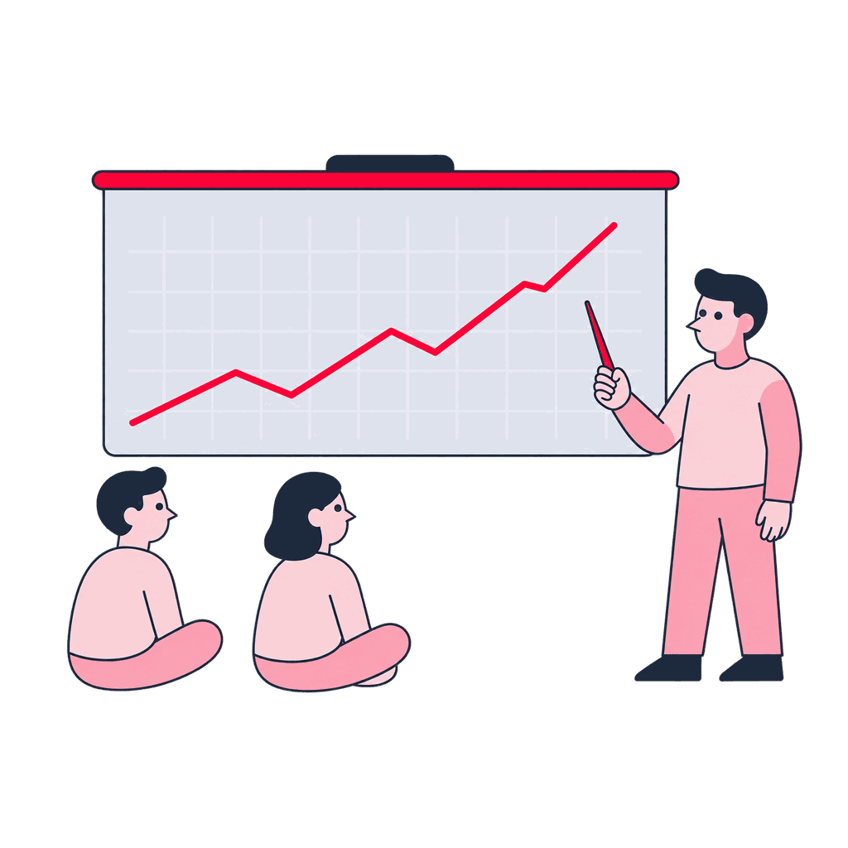
Trade-offs move into the room
The group weighs options, asks for evidence, identifies missing controls, and practices deciding under uncertainty. Leaders in the room decide what evidence would change each decision.
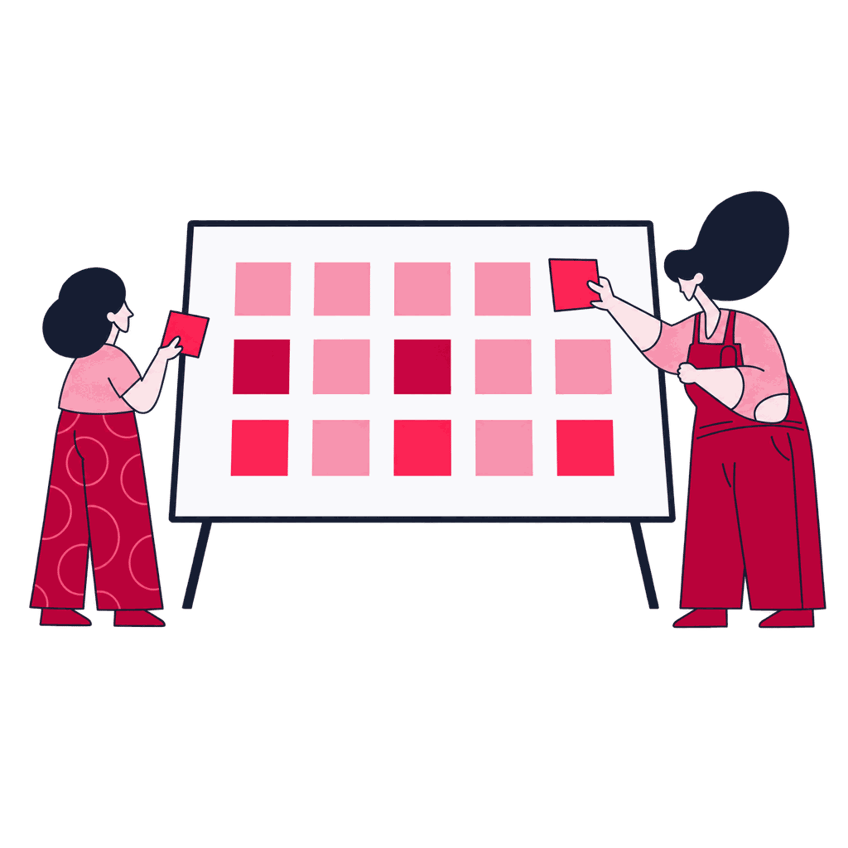
Follow-up leaves with owners
We compare decisions with the agreed rubric, discuss confidence gaps, and assign follow-up actions to specific owners. The sponsors in the room accept ownership of each follow-up action.



Named artifacts you keep
What you get
The session leaves a compact decision record behind. Leaders can return to the same scenarios, trade-offs, and action owners when the next proposal or portfolio review reaches the table.
Report
Executive capability-and-limit briefing note
A concise foundation on the capabilities, limitations, dependencies, and questions relevant to your leadership agenda.
Workshop record
Portfolio and governance scenario discussion pack
Portfolio, risk, governance, operating-model, and investment cases for structured discussion.
Playbook
Vendor-claim challenge and evidence-question brief
A practical guide for reviewing proposals, plans, and vendor claims after the program.
Decision record
Confidence-gap findings and sponsor action list
The observed decision patterns, confidence gaps, and follow-up actions agreed by the group.


Scope and honest limits
When to bring us in
Your leaders are being asked to judge AI choices before they have a shared way to separate evidence, capability, risk, and hype.
A good fit when
- Opportunity, capability, risk, and hype share one discussion, but leaders have no common frame for deciding which claims deserve evidence.
- Executives are reviewing internal proposals and vendor claims, yet the questions they ask do not separate model capability from operating assumptions.
- Portfolio, governance, and investment choices arrive quickly, while the group lacks enough technical grounding to judge their trade-offs.
- Live leadership decisions are already on the agenda, but a generic case study would miss the evidence and constraints that make those choices hard.
- Leaders hear capability and limitation claims together, yet they cannot tell which dependency belongs to the model, system, or operating team.
- The group discusses portfolio and risk, but missing controls and untested assumptions leave the trade-off undecidable.
- A session produces confident opinions, while action commitments, sponsors, and the decision each one supports can disappear after the room empties.

Better handled as other work when
- You want a generic tool demonstration. This session uses live leadership decisions and evidence, while product training belongs in a different program.
- You want someone else to make portfolio, risk, or investment choices. The scenarios sharpen judgment, but authority stays with the leadership team.
- You expect one session to create lasting competence. It builds a shared decision frame, while named sponsors still have to carry the follow-through.
If one of these is closer to your situation, start here instead: See corporate AI training
Your trainers build AI for a living
The people who run our training build and operate AI systems the rest of the week, so the material comes from work we've shipped. Zeo has been around since 2011 and runs the Digitalzone conference community, which keeps us close to how teams across the industry are picking these tools up.

Yiğit Konur
Founder & Chief Strategy Officer

Samet Özsüleyman
SEO Manager

Burak Pehlivan
Co-founder & CEO

Didem Himmetli
Marketing Executive

Ozan Ketenci
VP of Consulting & Strategy

Can Mutioğlu
Senior SEO Executive

Elif Naz Akan Karakoç
Senior SEO Executive
Content we've produced on this topic
Tools we use
Tools behind this work
 Anthropic
grounds portfolio and vendor discussion in one provider's real current capability
 OpenAI
the second reference provider in the same real vendor comparison
 Microsoft Azure AI
represents the enterprise cloud-platform path in the governance and vendor discussion
 Mistral AI
adds a European provider option relevant to data-residency and regulatory discussion
 Hugging Face
represents the open-model, self-hosting alternative in the platform tradeoff discussion
Adjacent work
Where this leads
Enablement
Role-Based Workforce AI Training
Executive briefings align senior leadership on strategic investments, while workforce training equips operational teams with practical skills.
Enablement
Responsible & Secure AI Training
Leadership risk awareness sessions establish governance mandates that security training operationalizes across all business units.

Enablement
AI Productivity & Workflow Training
Executive understanding of generative capabilities supports funding for enterprise-wide workflow automation and productivity coaching.


Next step
Build the session around a live leadership choice

Before you decide