


Corporate AI Training & Literacy
Responsible & Secure AI Training
Responsible AI training works only when policy rules become role-specific decisions that employees practice, explain, verify, and escalate under realistic pressure.
Policies become useful when an employee can apply them to a difficult call. Participants work through role-specific cases involving data, intellectual property, bias, harmful output, prompt injection, verification, and escalation, then explain what they would do and why. You leave with a role-specific learning plan, reviewed scenario pack, decision map, and refresh evidence showing where safe-use judgment still needs coaching.

Some of the 500+ brands we've worked with
Selected brands we’ve worked with across industries.










 Wall Street EnglishGlobalCase Study















 MeteksanGlobalCase Study






 OtsimoGlobalCase Study












































 VisperaGlobalCase Study









On this page
The run order, and who signs each step off
How we work
The work centers on decisions that can go wrong under pressure. Participants explain the safe action, verify the output, and use the escalation route when the choice exceeds their role.
Policy reaches the workplace decision
We connect approved tools, data and IP rules, known threats, incident examples, roles, and escalation routes to specific workplace decisions. Your policy owner confirms the scenarios reflect the risks this audience faces.
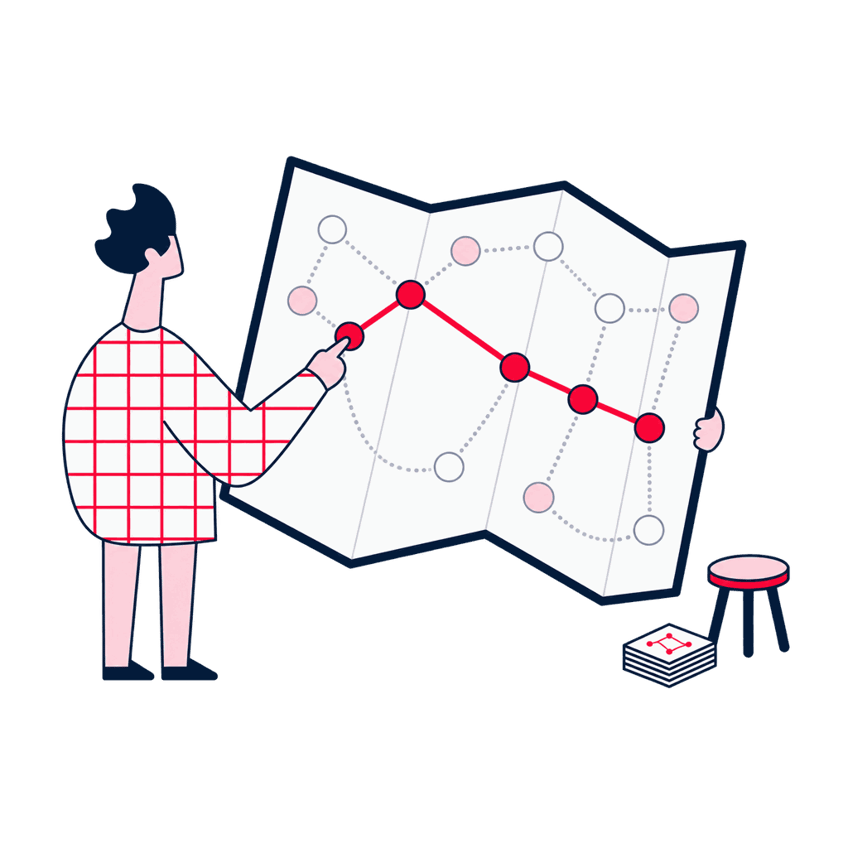
Scenarios add the pressure
Participants work through realistic cases involving sensitive data, bias, harmful output, prompt injection, verification, and uncertain results. The facilitator decides which variant is realistic enough to use.
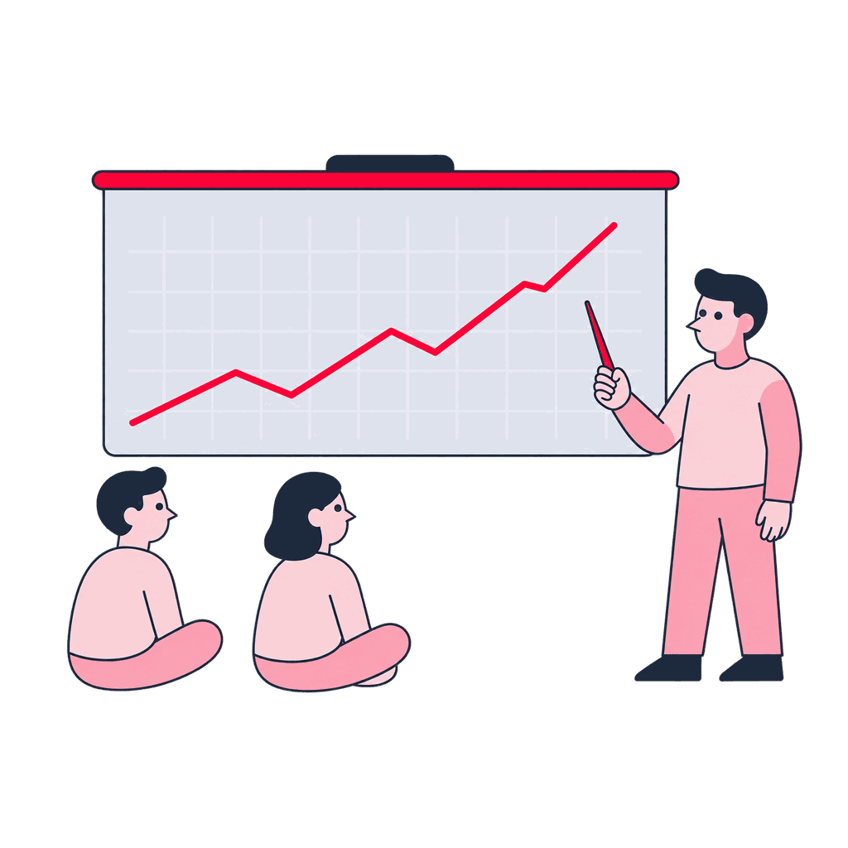
Judgment is observed in action
We evaluate decisions, handling errors, escalation choices, and verification practice. Policy recall is only one part of the evidence. A specialist confirms whether a flagged response is a genuine coaching gap.
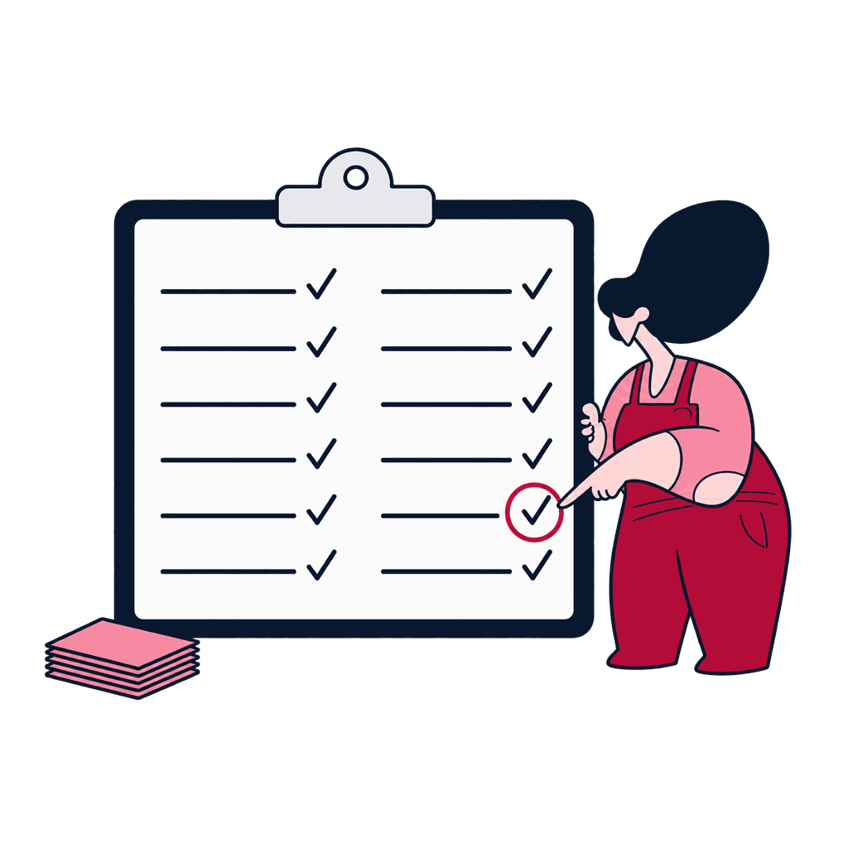
Refresh follows what changes
We create job aids, support routes, and a refresh cadence around the scenarios and behaviors most likely to decay. The policy owner accepts the refresh plan and who runs it.
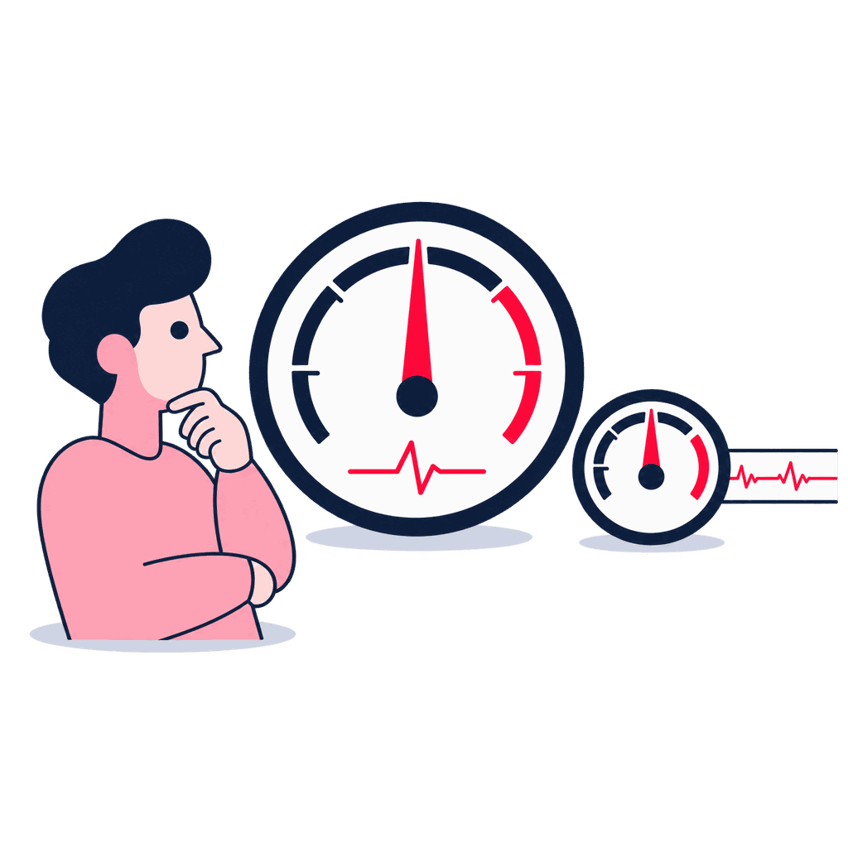


Named artifacts you keep
What you get
Policy boundaries stay attached to the behavior they require. The scenarios, decision guidance, coaching gaps, and refresh owner remain in the same working set as tools, threats, or rules change.

Curriculum
Role-specific policy and scenario learning plan
Role-specific learning objectives and scenarios grounded in approved tools, policies, threats, and expected behavior.
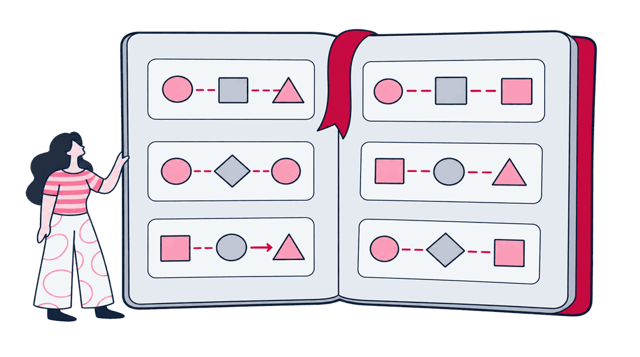
Playbook
Role-based data and escalation decision map
Clear guidance for handling data, IP, harmful output, bias, security concerns, verification, and escalation.
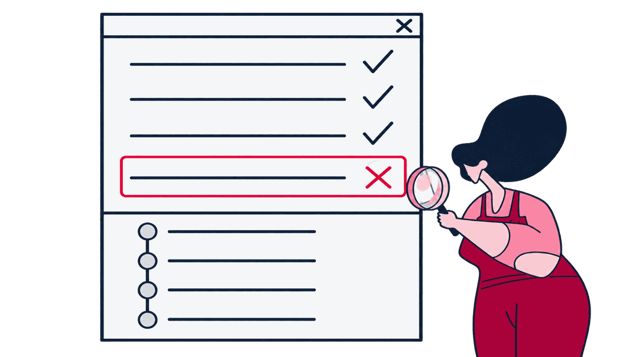
Test evidence
Reviewed secure-practice scenario pack
Facilitated cases and exercises for practicing difficult decisions with feedback.

Policy
Safe-use judgment evidence and refresh plan
Results, coaching needs, job aids, and review points for keeping safe-use judgment current.


Scope and honest limits
When to bring us in
Employees may be able to find the policy and still hesitate over what to paste, what to trust, and when to stop. This program gives those decisions realistic practice and a route for escalation.
A good fit when
- Your employees can find the AI policy, but a daily task still leaves them unsure what data to enter, what output to trust, or when to stop.
- Teams know the policy terms in a quiz, yet unsafe data handling, harmful output, or prompt injection still catches them during practice.
- An escalation route exists on paper, but nobody has watched employees use it when a realistic scenario exceeds their role.
- Policies name risks and expected behavior, but roles and escalation routes have never been mapped to the workplace decisions employees actually make.
- The policy covers data, IP, bias, harmful output, security, and verification, yet no role-specific scenario tests how employees handle them together.
- Employees can repeat the safe-use rules, while no secure-practice lab shows whether their role-specific judgment holds under pressure.
- Assessment results exist, but coaching gaps have not been turned into job aids, named support routes, or a refresh plan tied to policy changes.

Better handled as other work when
- You need the training to carry legal weight or serve as an audit, regulatory, or certification approval. Those decisions stay with your qualified authorities.
- You want the lab to use real sensitive data in an unapproved model. We work with approved or sanitized cases, and live data use needs its own permission.
- You only need a policy-recall check. This program judges handling errors, verification, escalation, and role-appropriate decisions in scenarios.
If one of these is closer to your situation, start here instead: See corporate AI training
Your trainers build AI for a living
The people who run our training build and operate AI systems the rest of the week, so the material comes from work we've shipped. Zeo has been around since 2011 and runs the Digitalzone conference community, which keeps us close to how teams across the industry are picking these tools up.







Tools we use
Tools behind this work
 Anthropic
the live model behind scenario exercises, so cases test real behavior, not scripts
 Lakera Guard
demonstrates a live prompt injection attempt so the scenario is real, not described
 Mindgard
supplies realistic adversarial cases the scenario library is built from
 Guardrails AI
validates a participant's proposed handling against the organization's real rules
Adjacent work
Where this leads
Enablement
Executive AI Literacy
Security and ethics training operationalizes executive governance mandates, ensuring compliance requirements are understood across teams.
Enablement
Role-Based Workforce AI Training
Foundational responsible AI principles are adapted into role-specific guidelines for software engineers, marketers, and analysts.

Enablement
AI Productivity & Workflow Training
Security awareness training pairs with productivity coaching, demonstrating safe methods for leveraging generative tools in daily tasks.


Next step
Give teams a place to practice difficult decisions

Before you decide