


Start with a task the team already knows
Employee AI Assistant Development
A service is a set of supported journeys, each one carrying approved knowledge, role access, feedback, escalation, and a human-owned boundary. An employee assistant becomes a service one journey at a time.
Employees should know what the assistant can help with, which approved internal knowledge it may use, and when to ask a person. We build around a few journeys and access rules, with feedback, escalation, and adoption in the design. We test representative work before the service owner decides where it is ready to help. The operating team takes over a tested assistant slice, a journey-access record, task-level behavior findings, and named owners for feedback, escalation, and adoption.

Some of the 500+ brands we've worked with
Selected brands we’ve worked with across industries.







 GeneraliGlobalCase Study









 OdeabankGlobalCase Study








































 Albaraka TürkGlobalCase Study




























On this page
The run order, and who signs each step off
How we work
We begin with a few journeys and put representative work through each one. Their owner sees the evidence before deciding whether the boundary can widen.
Follow one request through the team
We trace how employees ask for help now, then mark the first tasks, approved knowledge, access rules, feedback points, escalation routes, and conditions for adoption. The accepting owner chooses the journeys and confirms their access boundaries.

Build the permitted slice
We shape the assistant and its dependencies around representative work. Unsupported routes and known failure cases stay visible throughout the build. Source and task access require the service owner's approval.

Test the work people actually bring
Representative tasks and adverse examples run through each journey. The people responsible for each task inspect critical exceptions and compare the results. The owner assigns supported, conditional, or human-owned status.
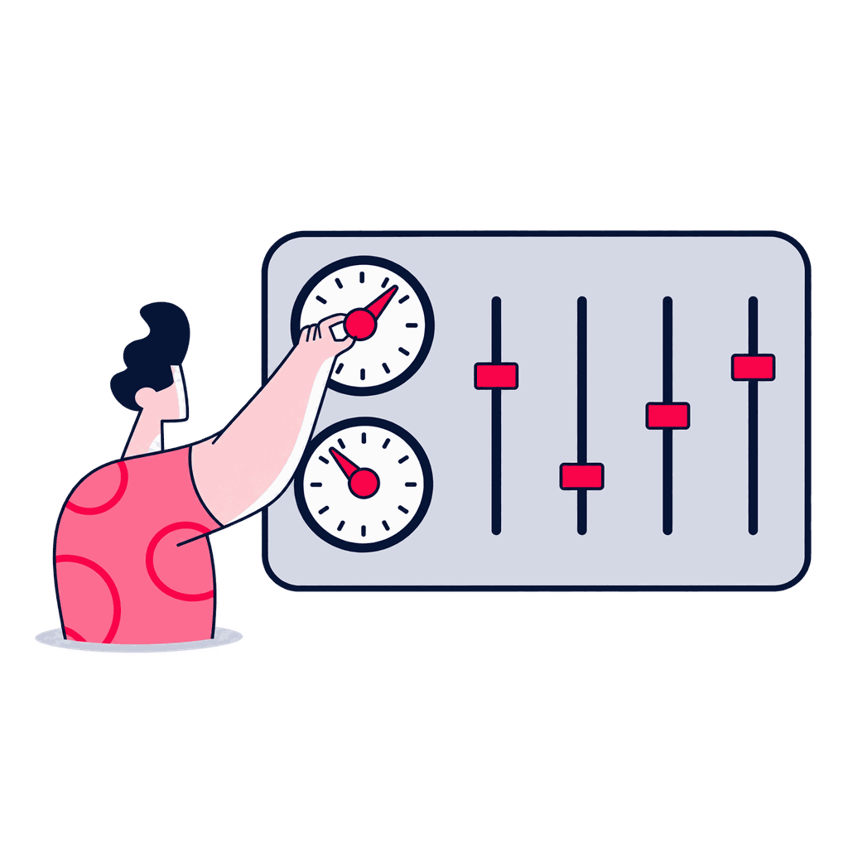
Write down the operating boundary
Before the operating team takes over, we document accepted journeys, unresolved exceptions, named ownership, the feedback route, and the next review. The service owner accepts the supported boundary and the route for employee feedback.


Named artifacts you keep
What you get
These records travel with the assistant. The operating team can inspect each supported task, the knowledge and access behind it, where feedback goes, and where a person takes over.

Model card
Supported-journey assistant build and limits report
The working slice and its support model cover only the tested boundary for employee journeys, knowledge, access, feedback, and escalation.
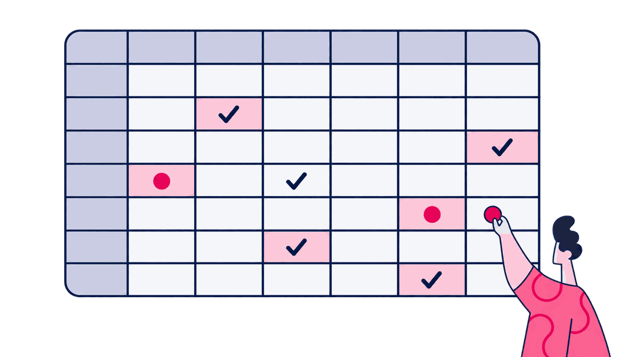
Matrix
Journey, knowledge, and access record
For each journey, the record names its approved knowledge and the employee access required.
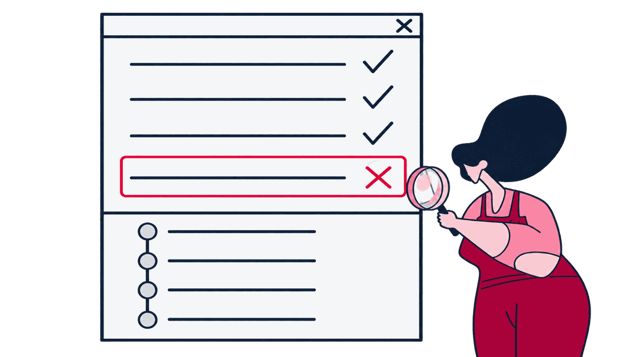
Test evidence
Employee-task behavior and escalation readout
Task by task, the review captures the assistant's behavior, feedback point, and escalation route for the employee examples in scope.
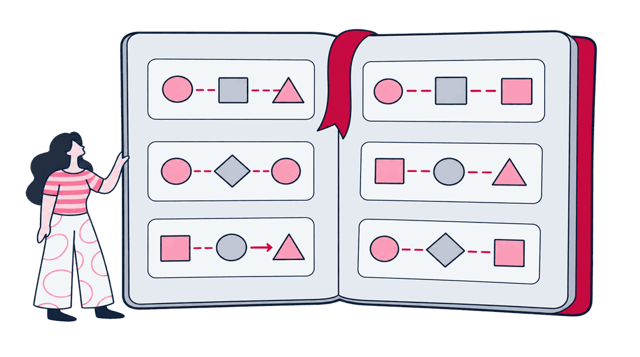
Playbook
Feedback, adoption, and escalation handoff pack
The handoff records the feedback route, escalation owner, adoption responsibilities, and the next employee journeys under consideration.


Scope and honest limits
When to bring us in
This fits a repeatable employee task with bounded knowledge and access, known exceptions, and someone ready to own the service after handoff.
A good fit when
- Your employees need the same help in several forms, so the service owner cannot yet name the first supported journey.
- Your team has approved internal sources, but their access rules do not line up with the employee examples used to define the work.
- The feedback and escalations arrive after launch, yet nobody owns the adoption decisions or the next review of unsupported journeys.
- An employee journey crosses approved knowledge and access rules, but its feedback point and escalation route are not written together.
- A working assistant slice is handling representative tasks, while known failure cases and unsupported dependencies remain hard to see.
- The acceptance tests produce exceptions, but no named owner has decided which journeys are supported, conditional, or still human-owned.
- The service owner has to say where the assistant is ready to help, yet no readout ties an employee task to the escalation path it should have taken.

Better handled as other work when
- You want knowledge, tasks, or employee groups outside the approved test boundary included, but those journeys have no representative evidence.
- You need every answer or task suggestion to work without review, while the tested journeys still require feedback and exception handling.
- You need ongoing operation, content ownership, or adoption work after handoff, but none is included unless scoped as a separate service.
If one of these is closer to your situation, start here instead: See the chatbot development service
Engineers who ship production AI
This is the part of Zeo that writes and ships code. Our senior engineers build agents, chatbots, and RAG pipelines, along with the automation and data work around them, and they keep operating those systems once they're live. We've worked with more than 500 brands since 2011.

Ozan Ketenci
VP of Consulting & Strategy

Yiğit Konur
Founder & Chief Strategy Officer

Can Mutioğlu
Senior SEO Executive

Burak Pehlivan
Co-founder & CEO

Aybüke Göktuna
Senior SEO Analyst

Didem Himmetli
Marketing Executive

Elif Naz Akan Karakoç
Senior SEO Executive
Content we've produced on this topic
Tools we use
Tools behind this work
 Microsoft Azure AI
anchors the assistant inside existing enterprise identity and data controls
 Haystack
builds the self-hosted retrieval path for approved internal knowledge
 n8n
n8nconnects approved employee journeys to internal systems and review queues
 Qdrant
stores internal knowledge with role and department access filters
 Traceloop
instruments employee requests, retrieval, tools, access context, and escalation
Adjacent work
Where this leads
Build
Enterprise AI Chatbot Development
The same assistant pointed at customers changes who accepts it. External channels bring brand rules, a channel owner, and a staged release the employee build never needs.
Build
Customer Service AI Agent & Assistant Development
An employee escalation sends someone to another internal support channel. A customer escalation lands in a policy-governed queue with CRM permissions and a reopen rate on the scorecard.
Build
Knowledge-Grounded Chatbots
The journey record says which internal knowledge each task may use. It does not say what happens when that material is stale or the answer has no support at all.


Next step
Show us where employees need help first

Before you decide