


AI Strategy & Transformation · Advisory
AI Vendor, Model & Platform Selection
Feature lists make every shortlisted option look capable. What separates them is the business, technical, risk, and operating constraints you named, put under representative and adverse cases.
Feature lists make every option look capable. Your constraints decide which one actually fits. We compare the shortlist against the business, technical, risk, and operating realities you named, and the recommendation keeps its evidence, exceptions, dependencies, and decision owner attached. The recommendation arrives with its evidence, unsupported claims, dependencies, and review triggers still attached, so your owner accepts the trade-offs rather than the summary.

Some of the 500+ brands we've worked with
Selected brands we’ve worked with across industries.







 GeneraliGlobalCase Study









 OdeabankGlobalCase Study








































 Albaraka TürkGlobalCase Study




























On this page
The run order, and who signs each step off
How we work
Decision rules come first. Then each option runs against representative evidence, because a feature list alone has never settled a selection argument.
Set the selection boundary
The intended outcome, the responsible owner, the candidate options, and the business, technical, risk, and operating constraints that will shape the decision all get defined before any scoring. Your selection owner confirms that the criteria connect to a real use and decision before evidence collection begins.

Assemble comparable evidence
Approved materials, representative examples, current constraints, dependencies, and known exceptions come together in one place. A claim without support stays marked as exactly that. Which vendor claims still lack support is a judgment the selection owner confirms.

Evaluate the trade-offs
The agreed scorecard runs against representative and adverse cases. We watch where cost, portability, data, risk, or operating demands flip the ranking. The selection owner decides whether a trade-off is strong enough to change the draft ranking.

Record the selection
The recommendation, exceptions, dependencies, open evidence, owner, and next review point all go into the record before handoff. The recommended option moves forward only after your selection authority accepts its trade-offs.



Named artifacts you keep
What you get
The recommendation stays reviewable because the criteria, evidence, and exceptions behind it travel with the decision.
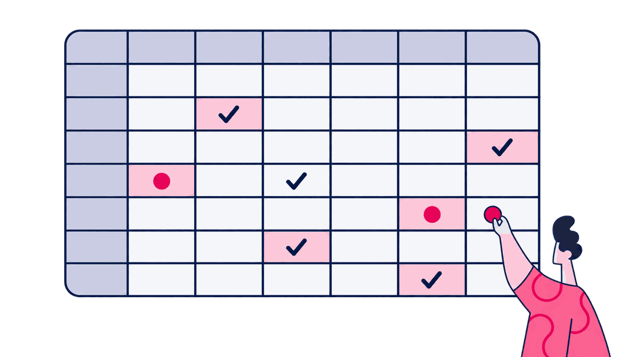
Matrix
Weighted selection scorecard and recommendation
The agreed criteria, option scores, trade-offs, and recommendation tied to the intended outcome.
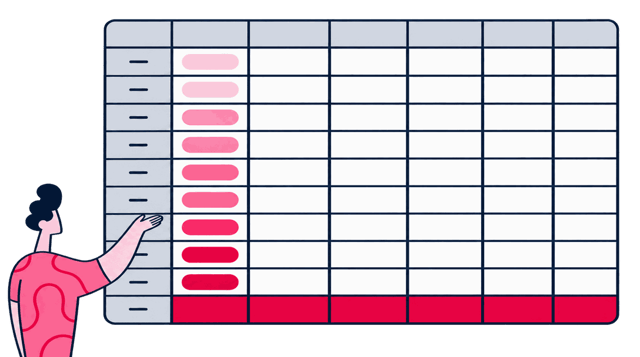
Risk register
Source pack and the claims still unsupported
Approved sources, unresolved claims, assumptions, dependencies, and evidence gaps for the candidate options.
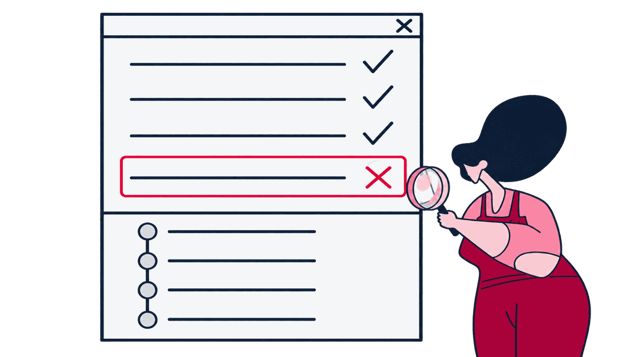
Test evidence
Adverse-case readout and the ranking it changed
What the representative and adverse cases showed, including exceptions that change the ranking or operating fit.
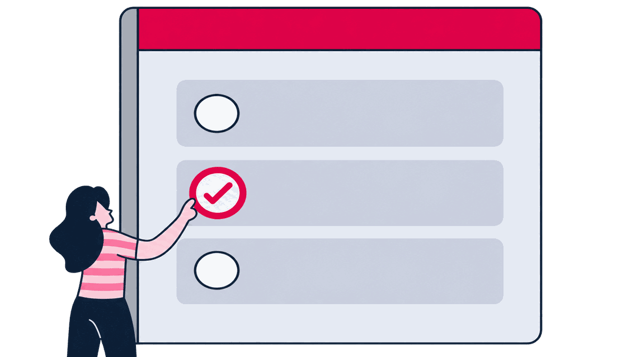
Decision record
The chosen option, its conditions, and review triggers
The accepted option, conditions, remaining risks, owners, and next review point.


Scope and honest limits
When to bring us in
Several plausible options usually look interchangeable until real constraints, evidence, and operating responsibilities enter the comparison. That's the point of this work.
A good fit when
- Every vendor measures something slightly different, so the claims on three datasheets cannot be laid side by side without rebuilding them first.
- Business, technical, risk, and operating teams each argue from a different constraint, and the shortlist keeps changing depending on who is in the room.
- The choice will be questioned by procurement and again at implementation, so it needs to arrive with its evidence and weights attached.
- Criteria exist in someone's spreadsheet, but they were never tied to the intended outcome or weighted against the constraints you actually have.
- Vendor demos ran on the vendor's data, while nobody has put the candidates through a representative case or an adverse one of your own.
- Cost, portability, data terms, and operating load will decide this more than features, yet none of them appear on the comparison sheet.
- A recommendation is due, though no one has agreed who owns it, on what conditions, or what would justify reopening it.

Better handled as other work when
- You want the selection cleared by legal, procurement, or an auditor. We produce the scorecard and its evidence, and those approvals stay where they already sit.
- You want a permanent answer about which vendor is best. The recommendation holds for your constraints, your weights, and the evidence available on the review date.
- The real need is contract negotiation or the implementation itself. Selection ends at the recommendation unless that work is scoped alongside it.
If one of these is closer to your situation, start here instead: Explore AI strategy consulting
Advice from people who build
We've worked with more than 500 brands since Zeo started in 2011. The people helping you decide where AI fits, and where it doesn't yet, are senior engineers and strategists who build and operate production AI systems. The advice stays grounded in work that actually shipped.







Tools we use
Tools behind this work
 Airtable
joins benchmark evidence with procurement, risk, and operating criteria
 OpenRouter
tests multi-provider model candidates through one consistent access layer
 Braintrust
runs every shortlisted model against identical tasks and rubrics
 Helicone
captures each candidate's real cost, latency, retries, and tokens
 Hugging Face
adds open-weight candidates, licenses, and self-hosting trade-offs
Adjacent work
Where this leads

Advisory
AI Opportunity Portfolio Assessment
Vendor evaluations benchmark proprietary APIs and open-weight models against the concrete accuracy and latency demands of prioritized use cases.
Advisory
AI Business Case & ROI Modeling
Licensing terms, hosting fees, and token consumption pricing directly inform the total cost of ownership models.

Advisory
AI Transformation Roadmap
Platform selection establishes the technical dependencies and vendor lock-in risks managed across multi-year transformation phases.


Next step
Compare the options that matter

Before you decide