


Controlled trade-off tests · LLMOps & AI Observability
AI Cost & Latency Optimization
Optimization is credible only when every caching, batching, context, routing, retrieval, or tool change is tested against the same workload, quality gate, load profile, and fallback conditions.
We test caching, batching, context, model routing, retrieval, and tool calls against a shared quality baseline. A cheaper or faster change stays only when it also meets the reliability and fallback gates you approve. A workload baseline, versioned experiment ledger, selected benchmark changes, and capacity thresholds let the operating owner review the accepted cost-latency-quality trade-off and roll back its configuration.

Some of the 500+ brands we've worked with
Selected brands we’ve worked with across industries.














 MeteksanGlobalCase Study




 VisperaGlobalCase Study























On this page
The run order, and who signs each step off
How we work
We test each proposed change against the same workload, quality gate, and failure slices so every trade-off remains visible.
Build the baseline
We profile representative load, task quality, model routes, token and context use, retrieval, tool calls, current cost, latency objectives, and capacity limits. Your reliability lead confirms the segments reflect real production traffic.

Run focused experiments
We change one bounded variable at a time across caching, batching, context, routing, retrieval, or tool use, and record assumptions and exceptions. Your reliability lead verifies which variable changed.
Test load and fallback
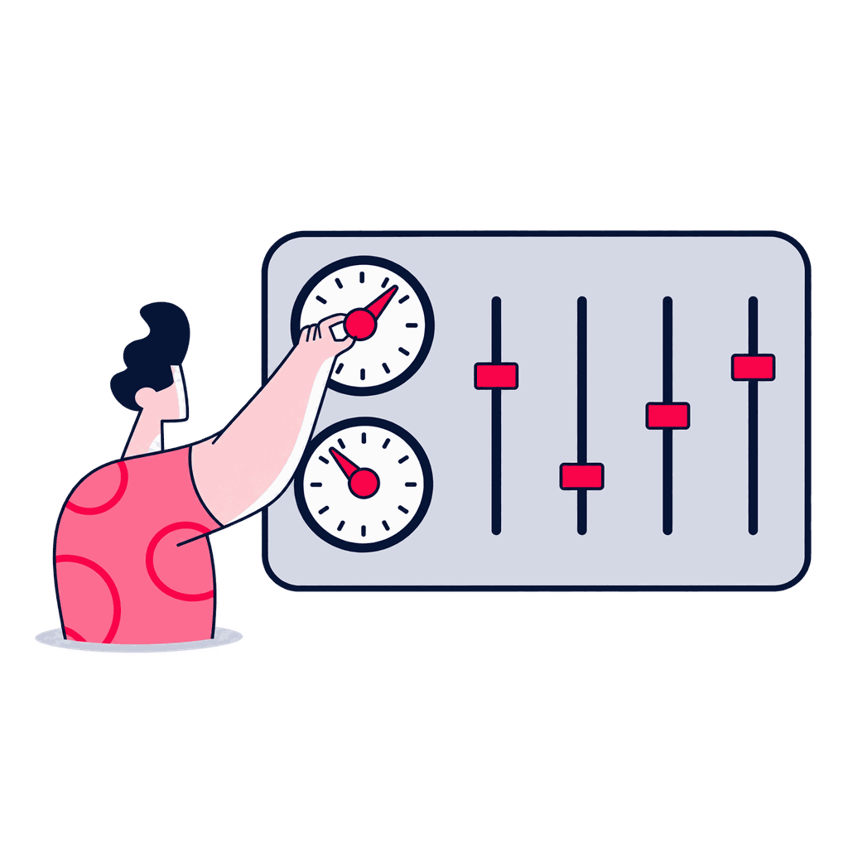
We challenge selected changes with representative and peak load, quality-regression cases, failures, and fallback paths. Your product or operations owner decides which regression blocks the change.

Set operating thresholds
We keep the changes that pass, define the capacity budget and regression alerts, and record when the system should fall back or roll back. Your owner accepts the cost-latency-quality trade-off and owns the review.



Named artifacts you keep
What you get
The deliverables show what changed, what it cost, how it performed, and which operating limits must remain visible.
Dashboard
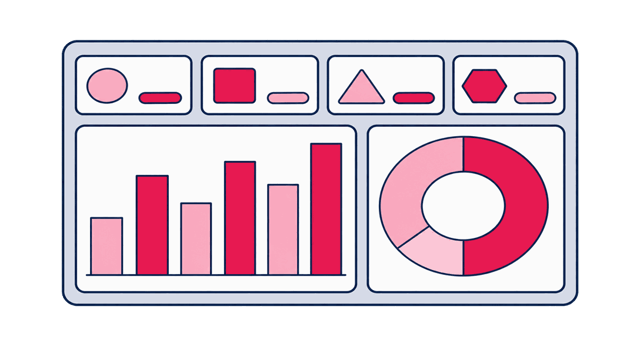
Cost, latency, quality, and capacity baseline
A baseline by workload and important slice, including model routes, token and context use, retrieval, tools, cost, latency, and capacity constraints.
Decision record
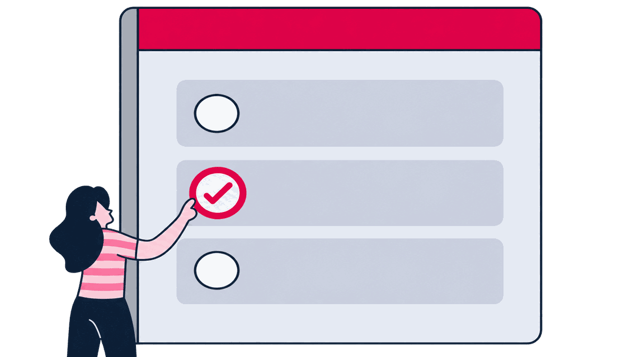
Versioned optimization experiment ledger
A record of each tested change, configuration, assumption, exception, result, and decision.
Test evidence
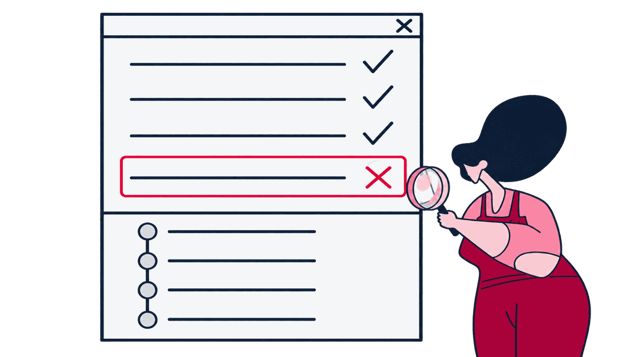
Load-and-fallback benchmark findings
Benchmark results for normal, peak, failure, and fallback conditions, with the accepted changes called out.

Policy
Capacity budget and regression-alert sheet
The operating budget, throughput limits, quality-regression alerts, fallback triggers, and review conditions.


Scope and honest limits
When to bring us in
AI spend or response time is becoming a constraint, and any improvement must keep quality regressions visible.
A good fit when
- Your cost per successful task is rising, but token spend alone cannot explain which workload or model route is driving it.
- Your p95 response time misses its objective on representative workloads, yet nobody knows whether context, retrieval, or tool calls cause the delay.
- Teams are changing prompts, context, models, retrieval, or tools without a comparable experiment record.
- Your task quality and capacity are tracked by workload, but current cost, latency, context, retrieval, and tool baselines cannot be compared.
- Caching, batching, context, model routing, retrieval, and tool-call changes are in flight, but no experiment record isolates which one moved the result.
- A change passes normal load, but nobody has tested its quality regression, failure, capacity, and fallback behavior on representative cases.
- Capacity budgets and monitoring thresholds exist, yet accepted changes have no rollback condition or owner for the next review.

Better handled as other work when
- You want the lower token bill counted as success even though task quality or reliability has fallen. That is a cost cut, not an optimization result.
- You need a fixed cost or latency reduction promised before the workload and constraints have been measured. This work can test a target, not guarantee it.
- You need us to operate unrelated production systems or implement changes outside the agreed experiment boundary. That work needs a separate scope.
If one of these is closer to your situation, start here instead: View the parent service
We operate the systems we test
It's hard to test a system well if you've never had to keep one running. We operate production AI ourselves, so our evaluation, security testing, and LLMOps work starts from what actually breaks. The people on it are senior engineers, and Zeo has been doing client work since 2011.







Tools we use
Tools behind this work
 LiteLLM
tests routing, caching, fallbacks, and provider swaps consistently
 Groq
Groqtests a low-latency hosting path with real open-weight workloads
 Cloudflare AI Gateway
tests edge caching, rate controls, and failover under load
 Helicone
measures per-request cost, latency, tokens, cache hits, and retries
 Braintrust
guards the quality baseline while cost and latency change
 Datadog
checks end-to-end service impact beyond the model request itself
Adjacent work
Where this leads

Operations
AI Trace & Quality Monitoring
Latency profiles pinpoint slow downstream calls, guiding model caching, speculative decoding, and prompt compression interventions.

Operations
AI Production Readiness & Release Engineering
Optimized inference budgets and timeout boundaries must be validated under simulated production concurrency before deployment sign-off.

Build
LLMOps & Model Lifecycle Platform Implementation
Caching layers and smaller distilled models require lifecycle pipelines that support automated retraining, deployment, and performance canary testing.


Next step
Find where cost and latency build up

Before you decide