


Release decision · LLMOps & AI Observability
AI Production Readiness & Release Engineering
Production readiness holds only when one versioned release path links promotion evidence, staged rollout, rollback rehearsal, observability, support ownership, and stop authority for the candidate under review.
We turn your model, prompt, data, evaluation, environment, rollout, rollback, monitoring, and support decisions into one release path. Before launch, your release owner can see the evidence, open exceptions, operating responsibilities, and stop conditions. At handoff, the release owner has a promotion and rollback plan, evidence inventory, acceptance findings, and an escalation brief for accepting, conditioning, or stopping this release.

Some of the 500+ brands we've worked with
Selected brands we’ve worked with across industries.














 MeteksanGlobalCase Study




 VisperaGlobalCase Study























On this page
The run order, and who signs each step off
How we work
We document the release path, test it with representative evidence, and leave the final call with your release owner.
Map the release boundary
We identify the model, prompt, data, evaluation, environments, dependencies, support teams, and authority involved in the release. Your release owner confirms the acceptance authority for this boundary.

Build the readiness gate
The readiness gate defines the evidence required for promotion, the exception process, rollout stages, rollback conditions, observability checks, and support entry points. Engineering owners approve which gate blocks promotion versus just warns.
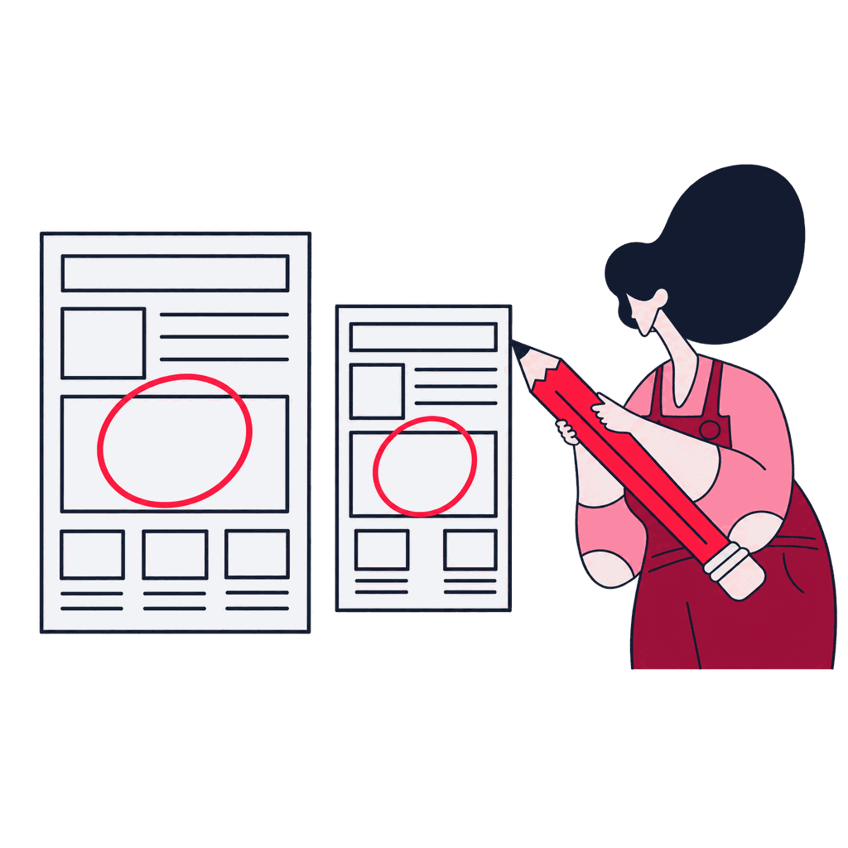
Rehearse release and rollback
We run representative acceptance tests and walk through promotion, staged rollout, critical exceptions, rollback, incident routing, and recovery. Your operator confirms the team can actually reverse a failed step.
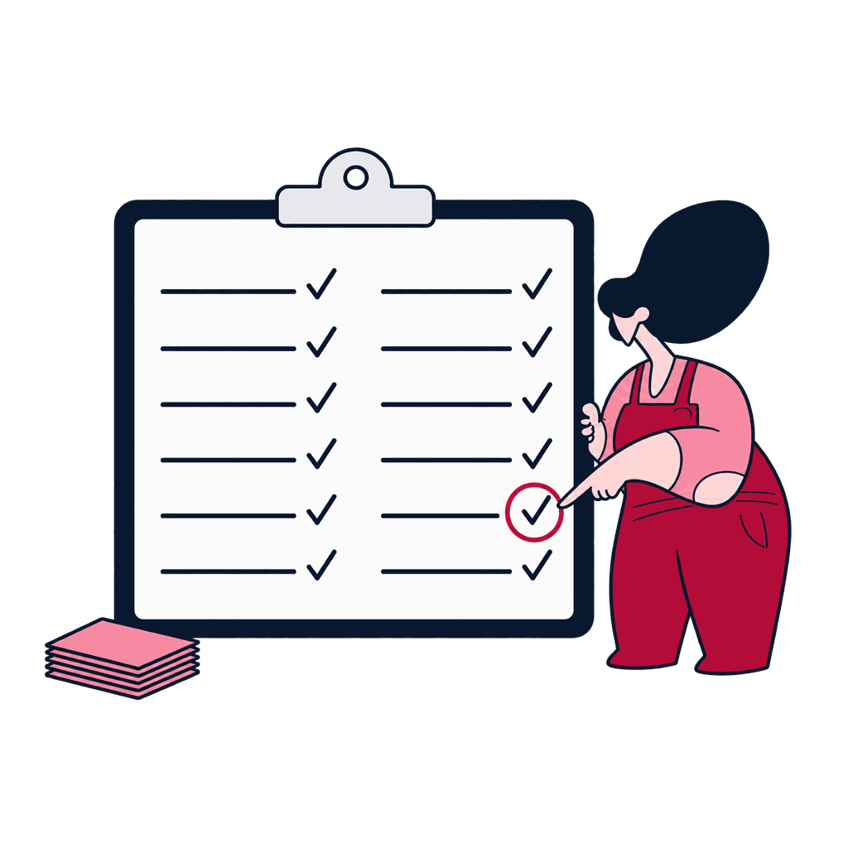
Record the release decision
We package the readiness evidence, unresolved conditions, operating ownership, handoff, and next review into an owner-approved decision. Your release owner accepts, conditions, or stops the release.



Named artifacts you keep
What you get
These documents give you what you need to decide, execute, reverse, and support the production change.
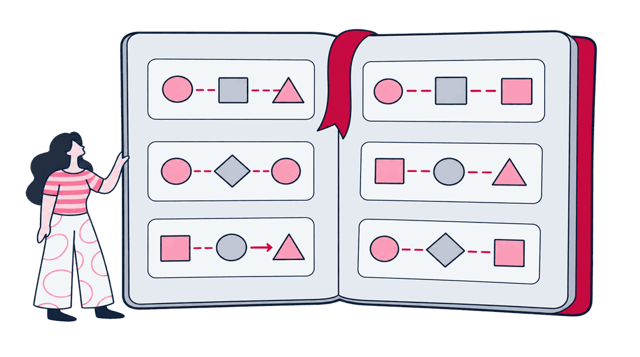
Playbook
Production promotion, rollback, and support plan
The promotion criteria, staged rollout, rollback steps, monitoring checks, support path, and stop conditions in one operating guide.
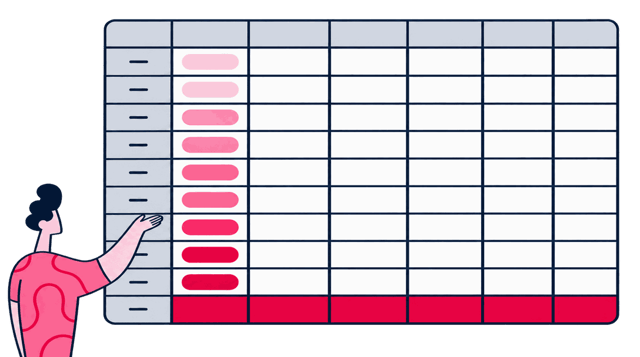
Risk register
Release source and dependency inventory
The representative evidence, system dependencies, assumptions, unresolved questions, owners, and review status behind the release.
Test evidence
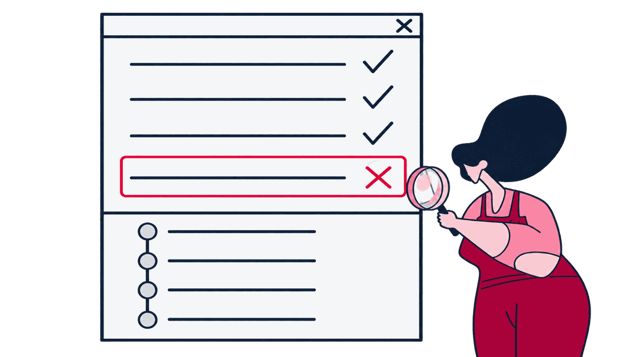
Acceptance findings and critical exception list
Acceptance-test results across important paths and failure cases, with critical exceptions separated from aggregate scores.
Decision record
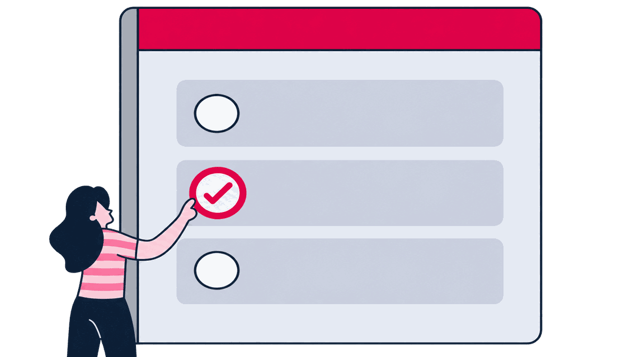
Accepted rollout conditions and rollback escalation brief
The release decision, accepted conditions, remaining risk, operating owners, review date, and escalation path.


Scope and honest limits
When to bring us in
An evaluated AI artifact needs a clear path into a supported production service.
A good fit when
- Release artifacts, environments, and operating ownership sit with different teams, so nobody can trace one candidate through the full release path.
- Rollout and rollback steps exist informally, but the team has not rehearsed them against the failure cases that could stop this release.
- The launch date is approaching while critical exceptions or support responsibilities remain open.
- The candidate has a version identity, but artifacts, environment promotion, evaluation gates, rollout, and rollback do not form one release path.
- A release decision is due, yet representative failure cases, system dependencies, and open exceptions remain scattered outside the release path.
- Your evaluation results exist, but observability, support ownership, incident entry points, and handoff have not been checked as one operating service.
- The release owner needs a production readiness gate, because the runbook, decision record, and next review trigger are still separate.

Better handled as other work when
- You want a passed evaluation average to override a critical open exception. The readiness gate keeps that exception visible until an owner closes or accepts it.
- You need the readiness gate to certify this release as safe, accurate, or compliant. It records rollout evidence and open exceptions, not a universal guarantee.
- You need us to own staged rollout or support after handoff. We transfer the rollback runbook and named responsibilities, while ongoing operation is separate.
If one of these is closer to your situation, start here instead: View the parent service
We operate the systems we test
It's hard to test a system well if you've never had to keep one running. We operate production AI ourselves, so our evaluation, security testing, and LLMOps work starts from what actually breaks. The people on it are senior engineers, and Zeo has been doing client work since 2011.

Yiğit Konur
Founder & Chief Strategy Officer

Burak Pehlivan
Co-founder & CEO

Can Mutioğlu
Senior SEO Executive

Ozan Ketenci
VP of Consulting & Strategy

Ataberk Yüzat
SEO Executive

Elif Naz Akan Karakoç
Senior SEO Executive

Aybüke Göktuna
Senior SEO Analyst
Content we've produced on this topic
Tools we use
Tools behind this work
 PromptLayer
versions the prompt configuration included in each release candidate
 Confident AI / DeepEval
runs repeatable quality and safety gates before release approval
 LaunchDarkly
stages exposure and provides the rehearsed rollback switch
 Datadog
monitors rollout health against the release's explicit stop conditions
 MLflow
ties the releasable version to its artifacts and evidence
Adjacent work
Where this leads

Operations
AI Trace & Quality Monitoring
Pre-release load testing establishes baseline telemetry, enabling trace monitors to detect performance regressions after deployment.
Operations
AI Cost & Latency Optimization
Release benchmarks identify bottlenecks under peak concurrency, directing targeted optimizations in model hosting and caching.
Build
LLMOps & Model Lifecycle Platform Implementation
Canary deployment pipelines and automated rollback gates are integrated directly into the enterprise LLMOps infrastructure.


Next step
Get the release path into one clear view

Before you decide