


Prompt & AI Workflow Enablement
Prompt Evaluation & QA
Prompt changes are ready for release only when every version runs against fixed cases, recorded settings, shared rubrics, and calibrated human review.
A prompt edit that dazzles in one chat can quietly break three other tasks. We give prompt changes a stable baseline, representative cases, explicit rubrics, calibrated reviewers, failure slices, versioned experiments, and a regression gate, so an improvement is something you can show, not remember. A prompt-case inventory, reviewer-calibration notes, versioned failure results, and a regression log settle which prompt can ship, so an improvement is something you show rather than remember.

Some of the 500+ brands we've worked with
Selected brands we’ve worked with across industries.














 MeteksanGlobalCase Study




 VisperaGlobalCase Study























On this page
The run order, and who signs each step off
How we work
Every candidate faces the same cases, settings, rubric, and baseline. A version wins by surviving that comparison, not by producing one good afternoon of outputs.
Define the task and baseline
We agree representative inputs, expected behavior, known failures, critical slices, current prompt versions, and the release criteria. Your prompt owner confirms the test set represents the real task.

Run versioned experiments
We compare prompt candidates on identical cases using deterministic checks, rubric graders, and recorded model and parameter settings. Your evaluation lead confirms a result before it's compared across versions.

Calibrate reviewers and slices
Human reviewers score shared examples, resolve material rubric differences, and inspect critical failure slices separately from the average. A human reviewer resolves the rubric difference before it affects the score.
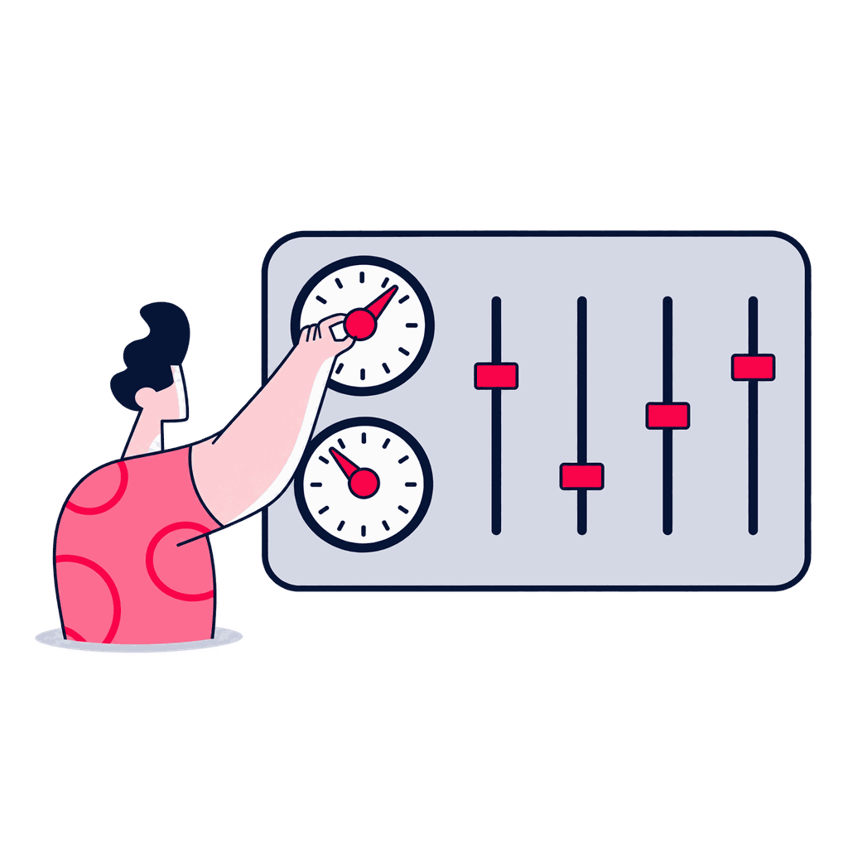
Approve the regression gate
We select the approved version, record exceptions, and connect the test suite to the change policy for future prompt edits. Your prompt owner approves the version and its open exceptions.



Named artifacts you keep
What you get
The team can compare a change, reproduce the result, and return to the approved version when an edit goes wrong.
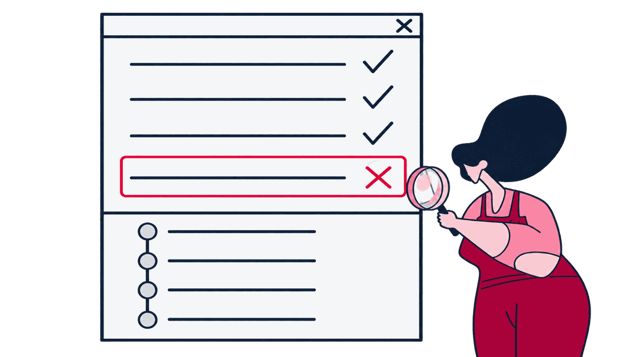
Test evidence
Prompt-case and model-setting inventory
Links representative cases, prompt text, model settings, expected behavior, and known failures to each experiment.
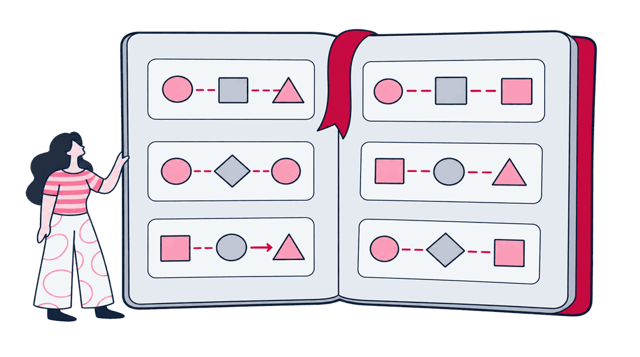
Playbook
Task rubrics and reviewer-calibration notes
Defines what counts as success, failure, and reviewer disagreement for each task or slice.
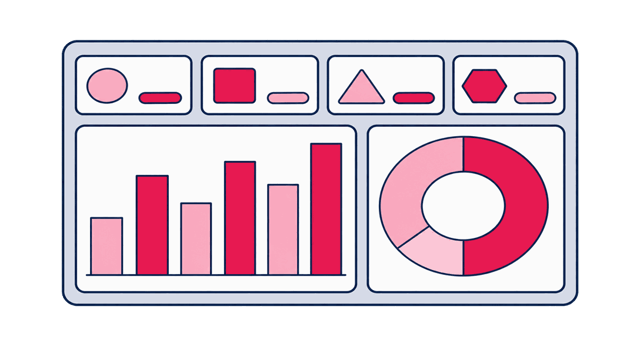
Dashboard
Experiment ledger and failure-slice report
Compares candidates by case, slice, failure type, reviewer notes, and versioned result.
Decision record
Approved prompt and regression-change log
Records the released prompt, accepted exceptions, ownership, and the checks required before the next change.


Scope and honest limits
When to bring us in
Choose this when a few memorable chats, or whichever output looked best today, are standing in for a repeatable comparison between prompt versions.
A good fit when
- A prompt wins a few memorable chats, but your team cannot tell whether the target task improved or only the style changed.
- A known failure returns after an edit, because prompt versions and regression cases are stored in separate places.
- Human reviewers score the same output differently, yet the shared rubric and calibration session cannot resolve the release question.
- The target task is known, but failures, critical slices, baseline behavior, and representative cases are not defined as one test set.
- Deterministic checks and rubric graders disagree, so human calibration cannot produce a reproducible experiment result.
- A candidate prompt looks stronger on average, but failure analysis and the regression gate still leave the approved version undecided.
- Prompt candidates see different inputs or review rules, so the team cannot reproduce a fair comparison between versions.

Better handled as other work when
- You expect the regression gate to count as an audit opinion or certification. Legal and regulatory determinations still belong to your qualified authority.
- You need one prompt to behave identically across every model, task, user, or future version, although this evidence covers only the tested settings.
- You need ongoing prompt-lifecycle operation after the approved version is handed over, because this engagement ends at the recorded change policy.
If one of these is closer to your situation, start here instead: See the evaluation service
We operate the systems we test
It's hard to test a system well if you've never had to keep one running. We operate production AI ourselves, so our evaluation, security testing, and LLMOps work starts from what actually breaks. The people on it are senior engineers, and Zeo has been doing client work since 2011.

Can Mutioğlu
Senior SEO Executive

Ezgi Gülsen Yaylı
SEO Manager

Yiğit Konur
Founder & Chief Strategy Officer

Ozan Ketenci
VP of Consulting & Strategy

Samet Özsüleyman
SEO Manager

Ataberk Yüzat
SEO Executive

Mehmet Aktuğ
Co-Founder & COO
Content we've produced on this topic
Tools we use
Tools behind this work
 Agenta
runs versioned prompt experiments side by side against a fixed baseline
 PromptLayer
logs every prompt version against the exact baseline it has to beat
 Confident AI / DeepEval
scores against rubrics and reports failure slices, not one aggregate number
 Giskard
automatically scans for the quiet regressions this page warns a prompt change can cause
 Label Studio
measures reviewer agreement directly, the calibration this page's bar requires
Adjacent work
Where this leads

Enablement
Hands-On Prompt Engineering Workshop
We measure whether a prompt revision actually beat its baseline on the fixed cases. Producing revisions worth measuring, and tying each one to an observed defect, is what the lab teaches.
Assurance
AI Agent Evaluation & Reliability
Our experiments hold model settings and cases fixed so wording is the only variable. A passing prompt can still fail inside a multi-step run where tools error and retries stack.
Assurance
RAG Evaluation & Groundedness Testing
Fixing the retrieved context is how we isolate the wording. When the answer fails because retrieval returned the wrong passage, that defect is scored against a different layer entirely.


Next step
Compare the versions, awkward cases included

Before you decide