


Bounded operating service · LLMOps & AI Observability
Managed AI Operations & Continuous Improvement
Managed operations only work when incidents, evaluations, costs, and proposed changes enter one bounded service record with named owners and review points.
We maintain the service record across monitoring, incidents, evaluation findings, cost movements, and proposed changes. Each item keeps its evidence, severity, owner, next action, and review point. Your service owner sets priorities and accepts residual risk. You leave with a current service record and improvement backlog that show what changed, who owns it, and when it returns for review.

Some of the 500+ brands we've worked with
Selected brands we’ve worked with across industries.














 MeteksanGlobalCase Study




 VisperaGlobalCase Study























On this page
The run order, and who signs each step off
How we work
The managed service begins with a charter. Inside that boundary, every material signal enters the same operating record and leaves with an owner, a decision, or a dated reason it remains open.
Set the operating charter
The charter names the services, environments, signals, queues, owners, escalation routes, decision cadence, and excluded work. That prevents an incident queue from quietly becoming unlimited production support. Your service owner confirms which systems and decisions sit inside scope.

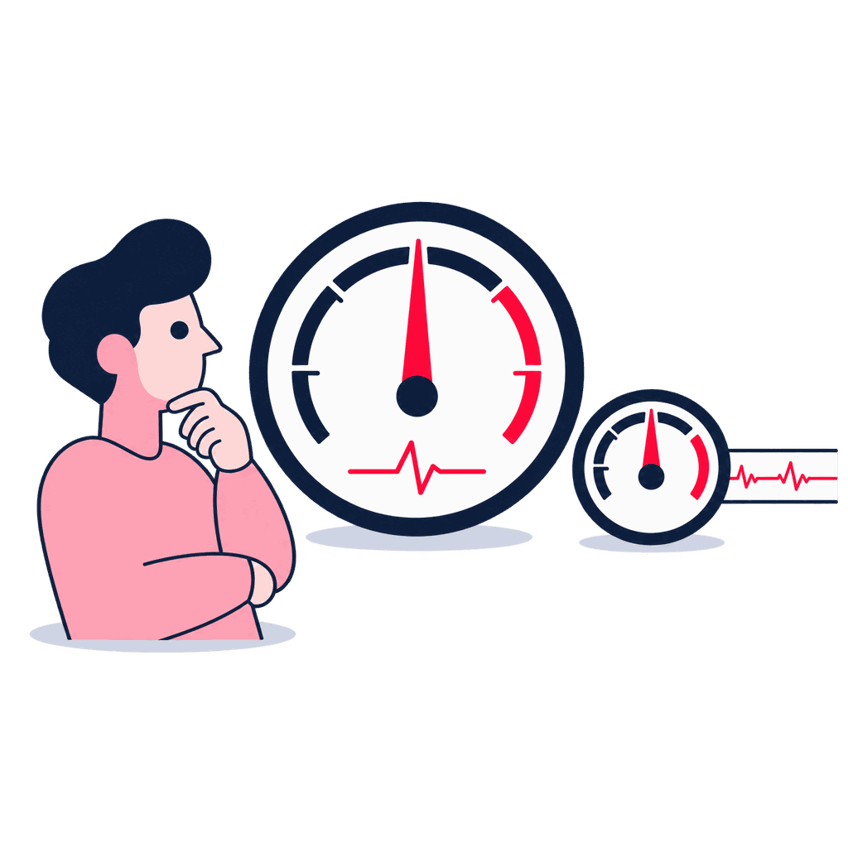
Run monitoring and triage
Production signals, incidents, evaluation findings, cost movements, user feedback, and open exceptions enter triage together. Each material item receives evidence, severity, an owner, and a next action. Your operations lead confirms severity and the owner for each material issue.
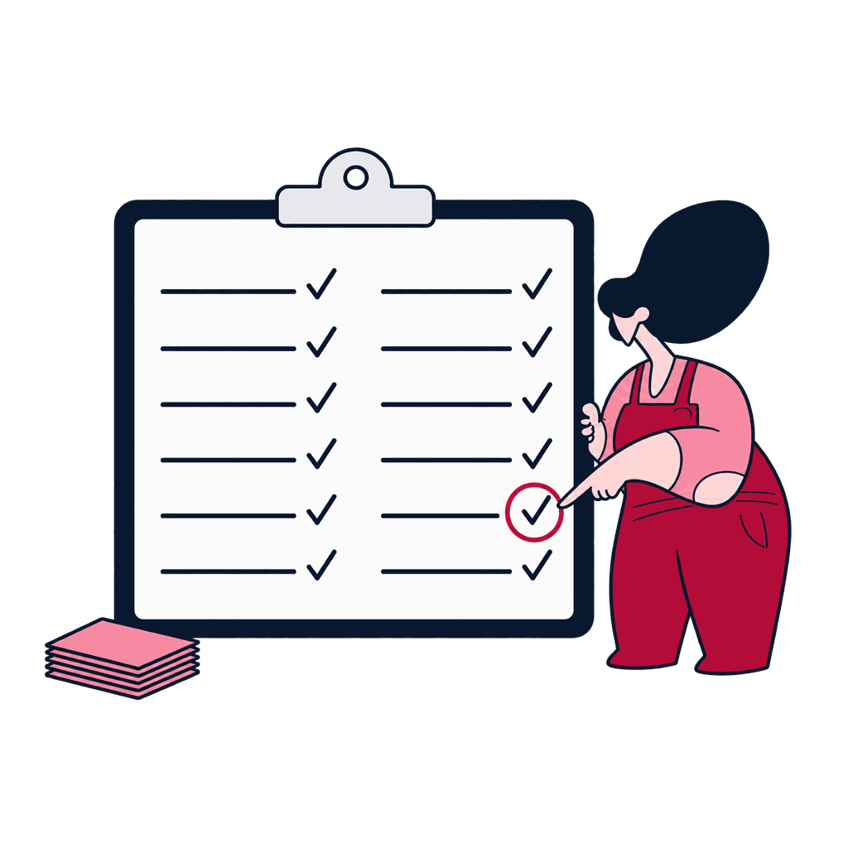
Test proposed changes
Backlog items are selected by the client priority. We inspect dependencies and failure cases, then test representative behavior before a production change reaches the decision owner. Your service owner decides whether a change meets the rollback and quality conditions.
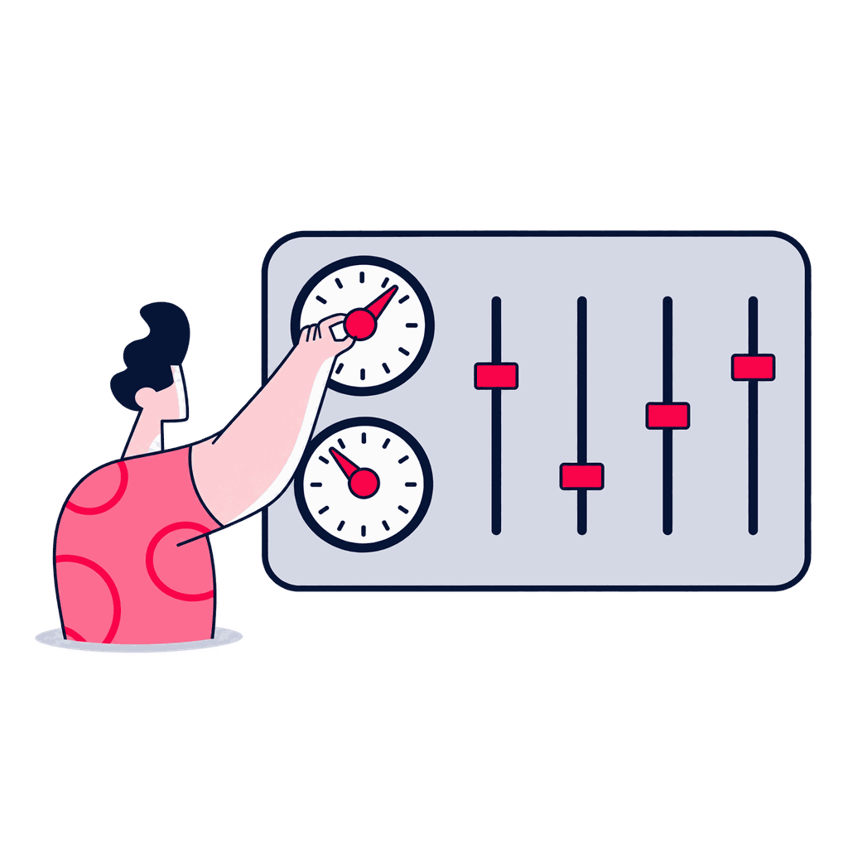
Review and improve
Accepted and rejected changes both update the service record. We assign the next measurement, keep unresolved conditions visible, and bring them back at the agreed review point. Your service owner accepts what's closed and what stays open.


Named artifacts you keep
What you get
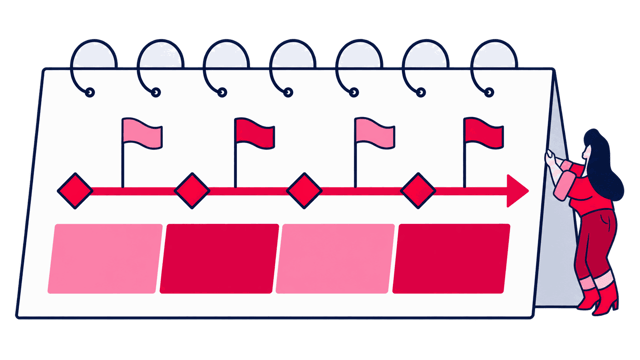
The outputs let an owner open one record and see what happened, why it matters, who is acting, which change was tested, what the client accepted, and what is still waiting.
Roadmap
Managed-operations service record and improvement backlog
The current service boundary, incidents, findings, priorities, dependencies, owners, accepted changes, and open improvement items.
Risk register
Monitoring sources and open-dependency inventory
The monitoring sources, evaluation evidence, assumptions, system dependencies, constraints, and unresolved questions behind the backlog.

Report
Proposed-change test readout and rollback exceptions
Test results for proposed changes, including important slices, failures, exceptions, and rollback conditions.
Decision record
Accepted changes, owners, and next-review log
The accepted action, conditions, residual risk, owner, implementation handoff, next measurement, and review point.


Scope and honest limits
When to bring us in
Use this service when production work arrives through several queues and the team needs one bounded place to triage issues, order improvements, test changes, and record client decisions.
A good fit when
- Your incidents, quality findings, cost movements, and user feedback enter separate queues, so no service owner can set one order.
- Your team changes production behavior, but the reason, evidence, result, and next review point are scattered across the service record.
- Support requests keep displacing improvement work, so backlog items reach review without an agreed priority or acceptance path.
- Production signals arrive through monitoring and incident triage, but nobody can see quality, cost, and service status in one report.
- The improvement backlog names dependencies, but owners cannot tell which exception should move first.
- A proposed change looks ready from one result, but representative tests have not checked its failure cases or rollback conditions.
- Accepted changes leave the review meeting, while ownership, handoff, next measurement, and review date remain split across records.

Better handled as other work when
- You need one team to absorb unlimited production support, because the operating charter only covers the services and queues it names.
- You want Zeo to accept a business, policy, legal, or residual-risk decision, but those calls remain with your service owner and authorities.
- You expect incidents, cost changes, or quality failures to disappear, while this service only manages how each one is handled and closed.
If one of these is closer to your situation, start here instead: View the parent service
We operate the systems we test
It's hard to test a system well if you've never had to keep one running. We operate production AI ourselves, so our evaluation, security testing, and LLMOps work starts from what actually breaks. The people on it are senior engineers, and Zeo has been doing client work since 2011.

Yiğit Konur
Founder & Chief Strategy Officer

Can Mutioğlu
Senior SEO Executive

Burak Pehlivan
Co-founder & CEO

Deniz İmre Temiztürk
Content Specialist

Ataberk Yüzat
SEO Executive

Ozan Ketenci
VP of Consulting & Strategy

Elif Naz Akan Karakoç
Senior SEO Executive
Content we've produced on this topic
Tools we use
Tools behind this work
 Airtable
maintains the service record from triage through accepted change
 Datadog
runs the shared operational view across quality, cost, and incidents
 Langfuse
turns each quality issue into an inspectable trace and version record
 Confident AI / DeepEval
reruns regression gates before proposed improvements enter release
 Helicone
tracks request cost, latency, tokens, retries, and cache movement
Adjacent work
Where this leads

Operations
AI Trace & Quality Monitoring
Operational improvement teams rely on granular trace logs to diagnose prompt drift, hallucination anomalies, and latency regressions.
Operations
AI Cost & Latency Optimization
Ongoing monitoring of token usage patterns guides periodic prompt optimizations, model tiering, and caching rule adjustments.

Operations
AI Production Readiness & Release Engineering
Continuous improvement updates follow formal release engineering protocols, including canary validation and automated rollback testing.


Next step
Give production issues one accountable operating record

Before you decide